Goriška Brda: Šmartno, Dobrovo and Slovenia's Tuscany
A guide to Goriška Brda, the wine hills on the Italian border: the walled village of Šmartno, Dobrovo Castle, the Gonjače lookout tower, rebula and orange wine, cherries, how to get there from the Soča Valley or Trieste, and where to stay.

Updated · 5 min read
2 facts checkedPrices, hours and booking rules, last verified Checked
| Fact | What we found | Checked |
|---|---|---|
| Šmartno village | Free to walk around | |
| Gonjače lookout tower | 23 m high, 144 steps |
We re-check every fact in our guides on a schedule and show the date here. Spotted something that changed? Tell us.
Some links in this guide are affiliate links. They cost you nothing extra and help keep the blog free.
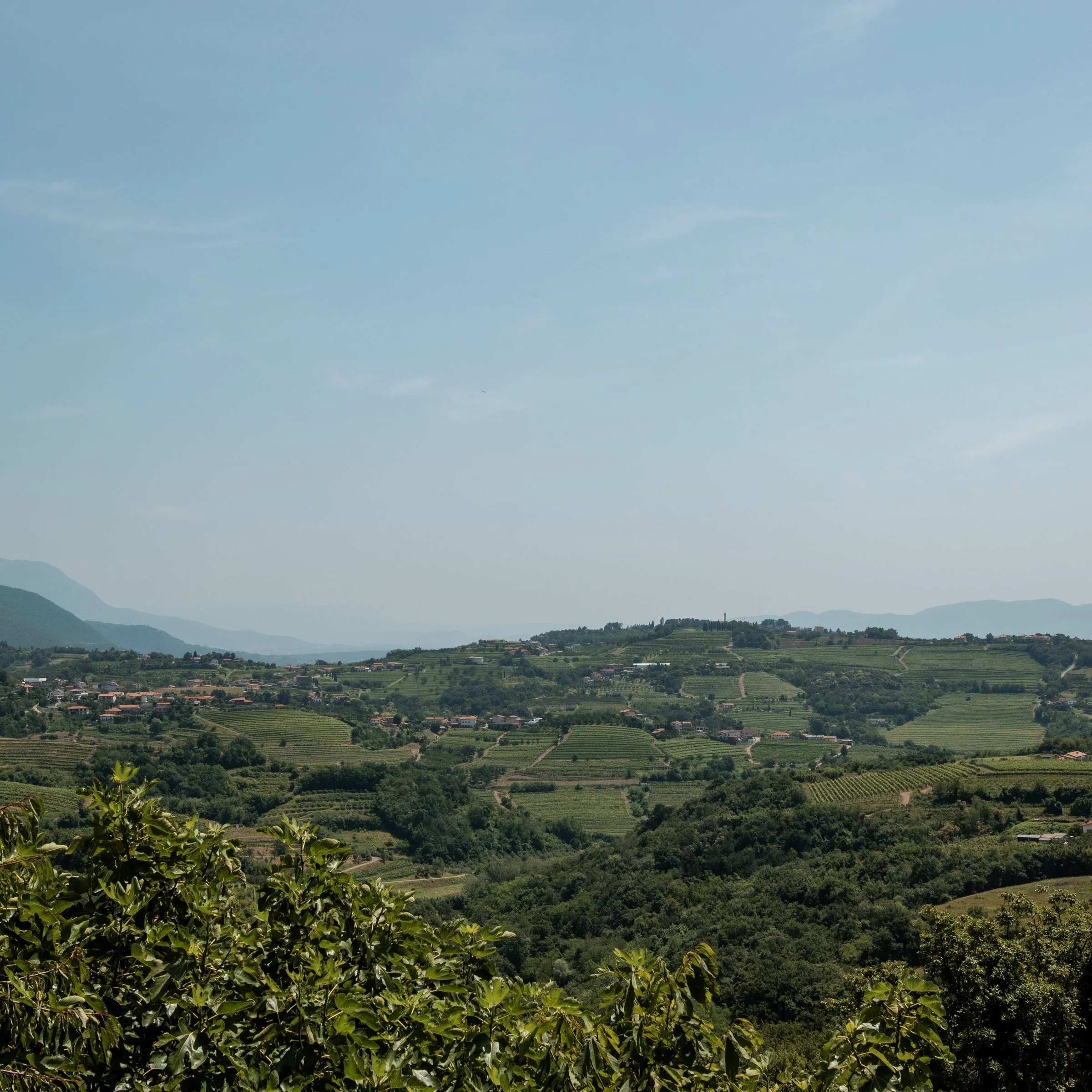
Goriška Brda is a small wine region on Slovenia’s border with Italy: rolling hills covered in vineyards and cherry orchards, with stone villages on the ridges and church towers on every hilltop. Slovenians call it their Tuscany, and once you are driving its narrow roads, you understand why. It is less than an hour from Trieste Airport, which makes it the perfect last stop before a flight home, and very few English-language guides cover it.
We spent the last morning of our Slovenia road trip here, driving down the Soča Valley from Kobarid through Kanal and up into the hills to the walled village of Šmartno, before heading back to Trieste for our flight.
Where is Goriška Brda?
Brda, as everyone calls it, is a horseshoe of hills in the far west of Slovenia, just north of Nova Gorica. The Italian region of Collio continues on the other side of the border, and the two share the same grapes, the same landscape and, for many families, the same history. The border runs right through the vineyards, so you can drive between the two countries several times in an afternoon without noticing.
How to get there
- From the Soča Valley: about 50 minutes from Kobarid, following the river south through Tolmin and Kanal, then climbing into the hills. This is the route we took.
- From Trieste Airport: about 45 minutes.
- From Ljubljana: about an hour and a half.
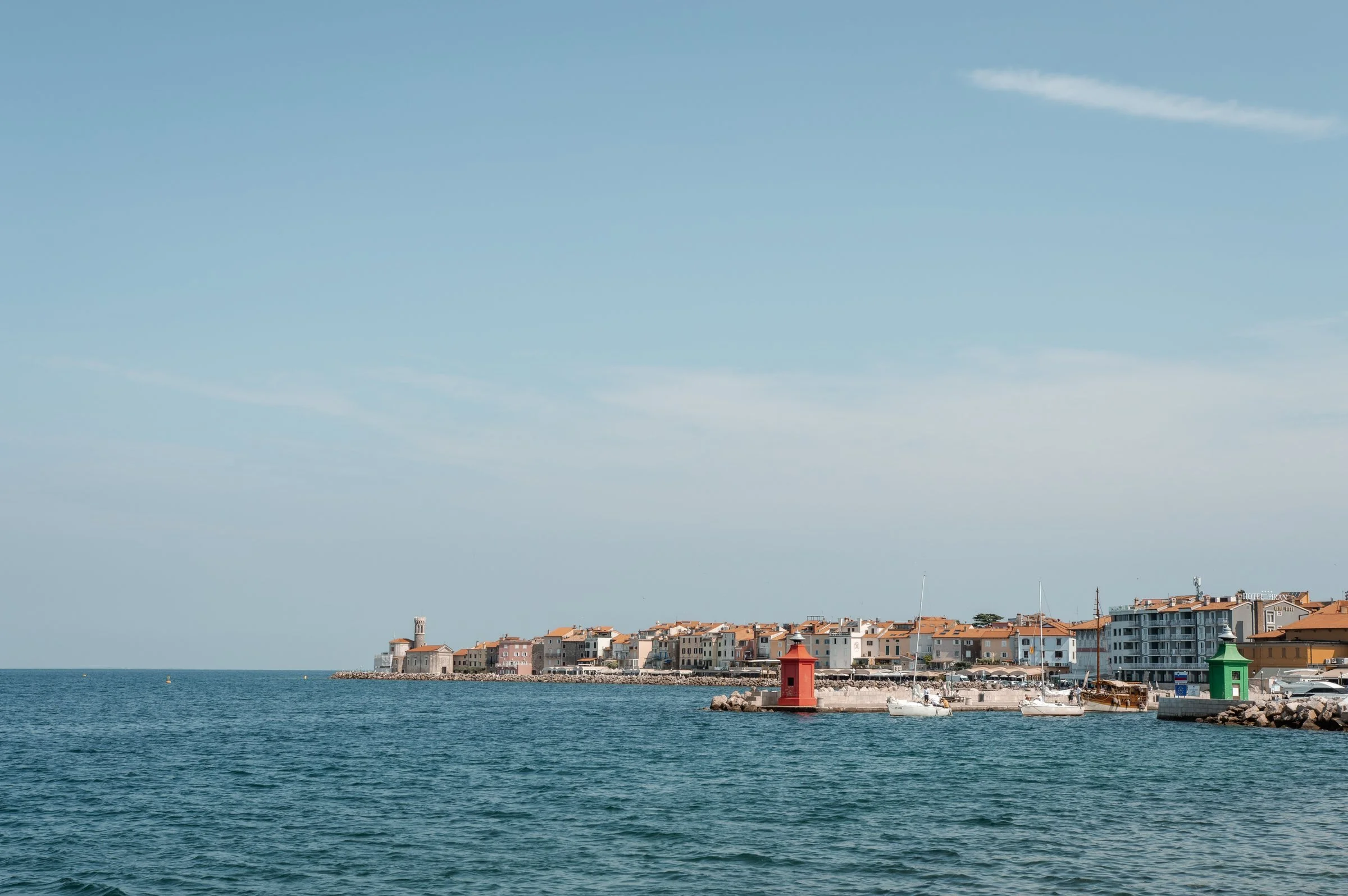
- From the coast: about an hour from Piran.
You need a car. Buses into the hills are rare, and the villages are spread across the ridges.
On the way: Kanal ob Soči
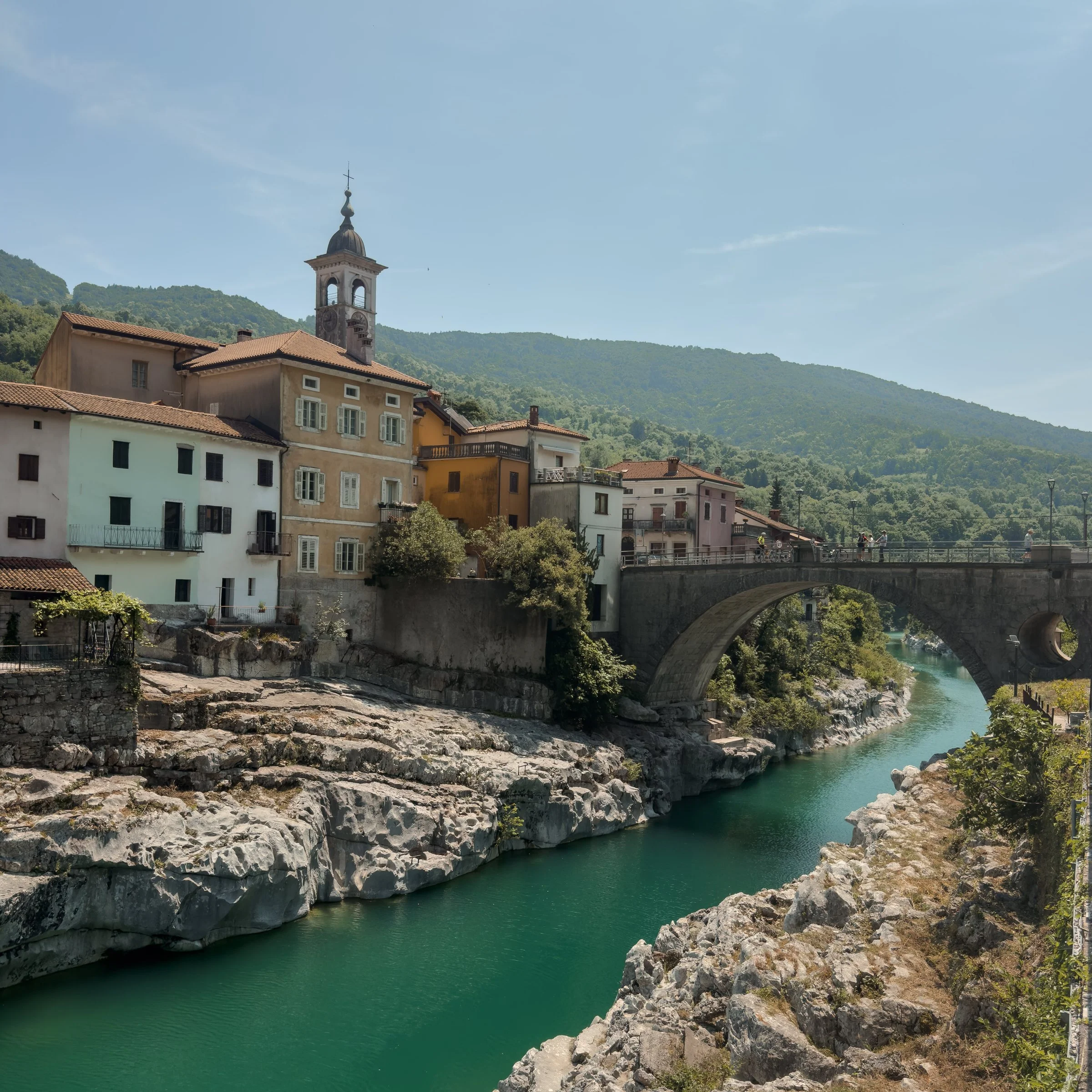
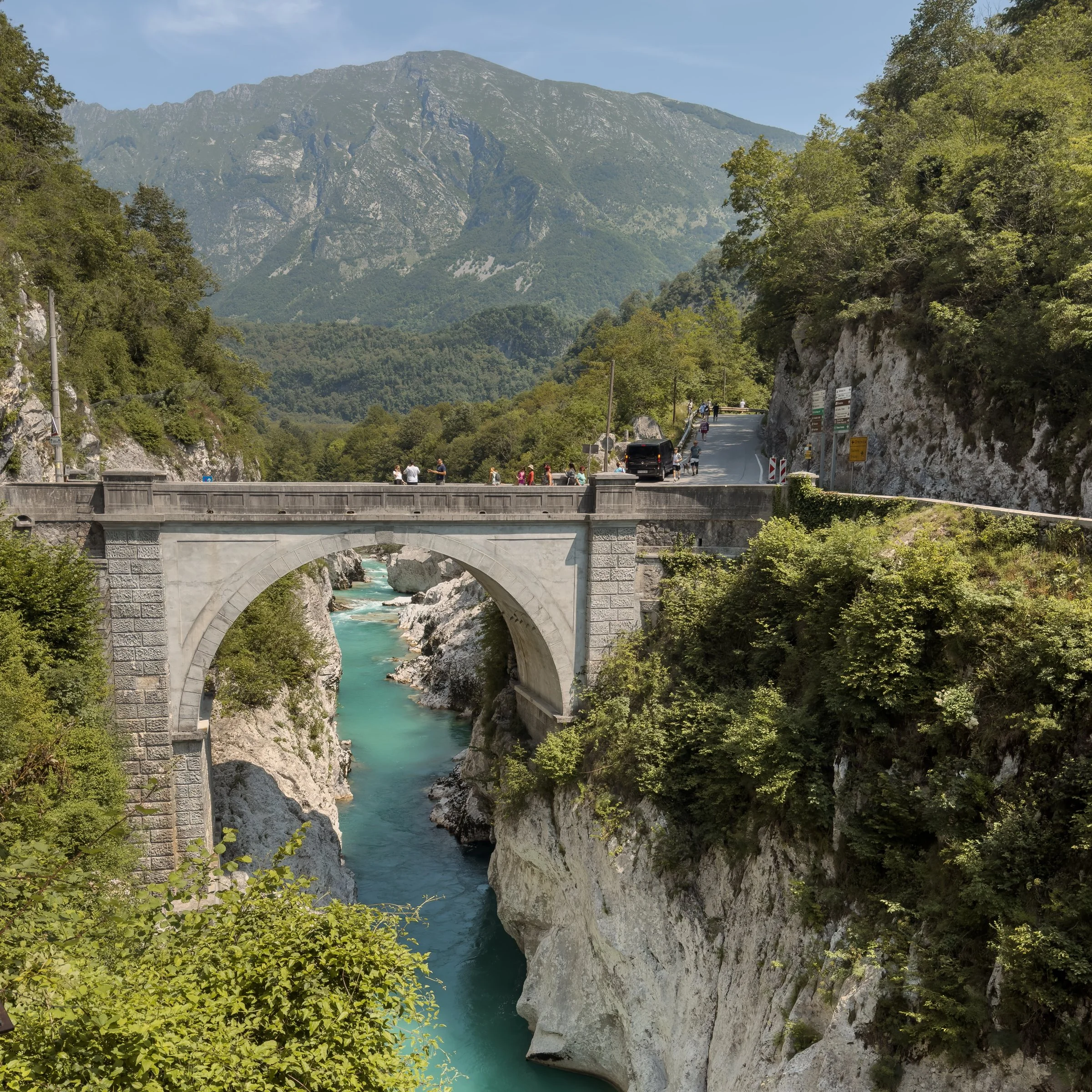
If you come down the Soča Valley, stop in Kanal, a small town right above the river, with a stone bridge over the green water and old houses lining the cliff. It is the last glimpse of the Soča before the road turns west into the hills.
Šmartno
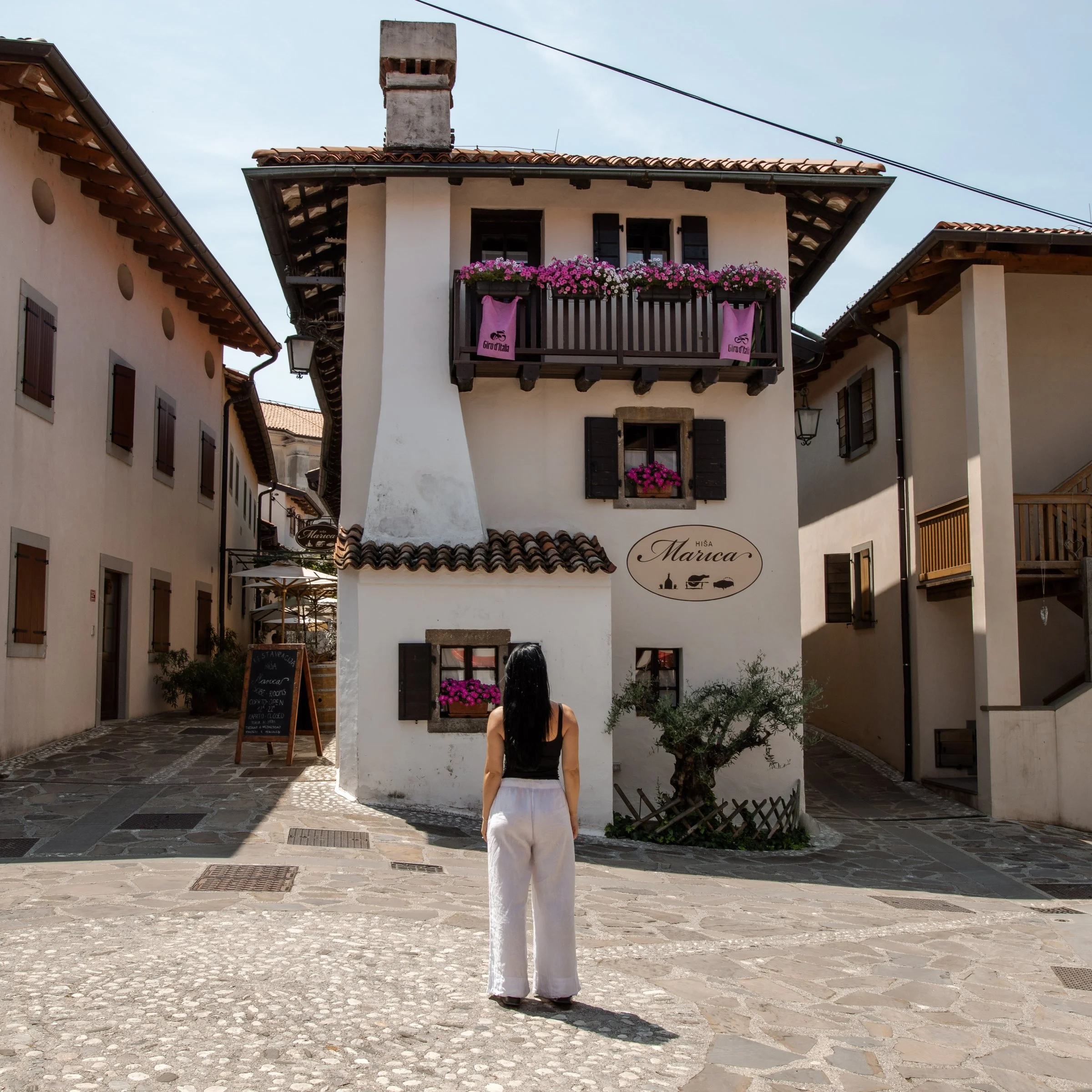
Šmartno is a tiny fortified village on a hilltop, enclosed by medieval walls and towers. It has been carefully restored house by house, so today the lanes are spotless: pale stone, wooden balconies, flowers on the windowsills and a church dedicated to St Martin in the middle. It is free to walk around, and there are a handful of restaurants, wine bars and guesthouses inside the walls.
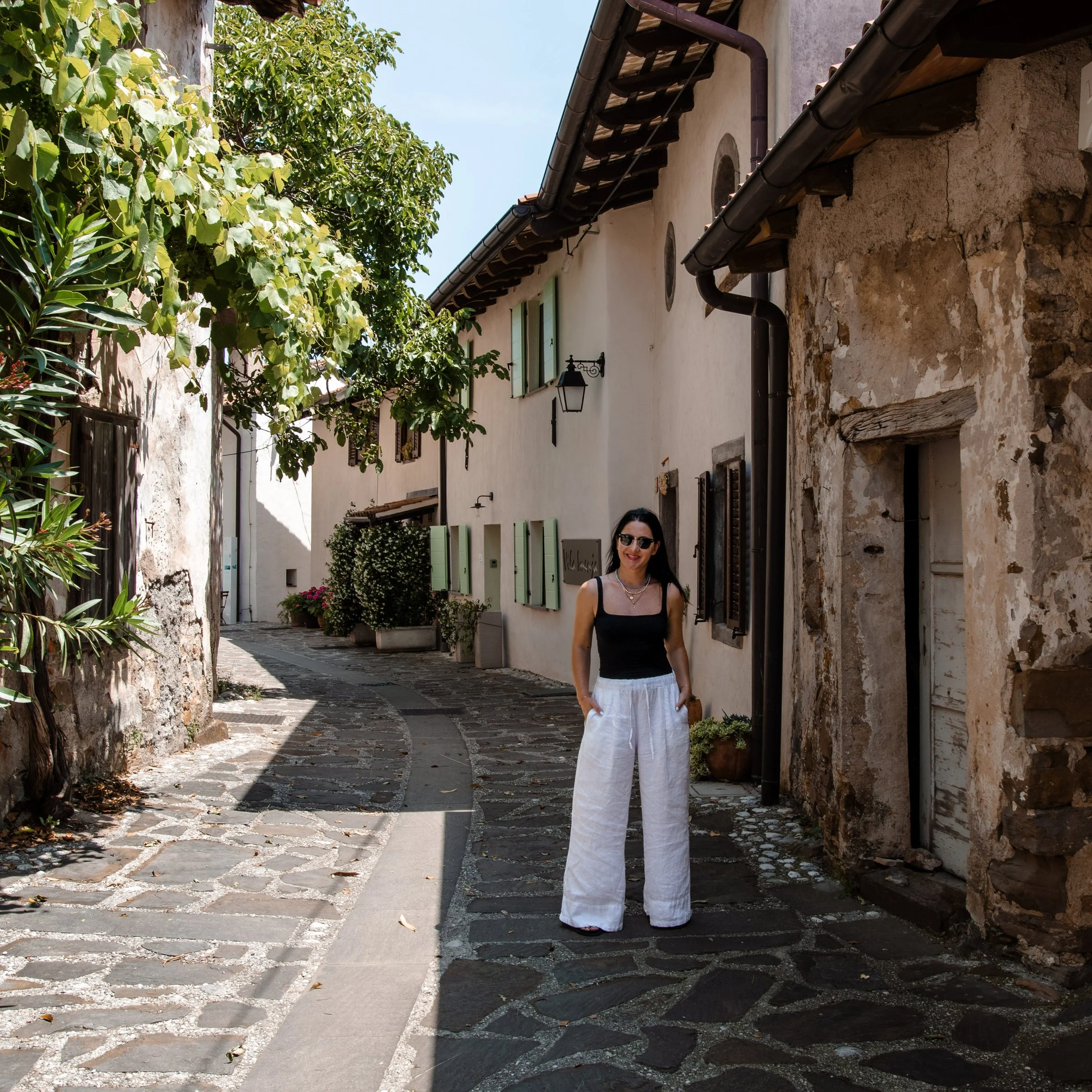
The village is small enough to see in an hour, but it is the kind of place to slow down in. Walk the full loop inside the walls, look into the old Gothic house that shows how people lived here, then stop for a glass of local wine on a terrace looking out over the vineyards.
Good to know: Šmartno is car-free inside the walls. Park in the car park below the village and walk up.
Dobrovo
A few minutes from Šmartno, Dobrovo is the main village of the region. Its 17th-century Renaissance castle, square with corner towers, holds a few furnished rooms, including the Hall of Knights, with a restaurant on the ground floor. Dobrovo is also home to Klet Brda, one of the largest wine cellars in Slovenia, where you can book a tour and tasting.
Gonjače lookout tower
On a hill above the village of Gonjače, a 23-metre memorial tower, built in 1961, has four viewing platforms and 144 wide steps to the top. The view takes in the whole of Brda and, on a clear day, the Julian Alps. It is the best place to understand the shape of the region.
Medana and the smaller villages
Beyond Šmartno and Dobrovo, Brda is a patchwork of small villages, each on its own ridge: Medana, Kojsko, Vipolže with its restored manor house, and many more. The best way to see them is simply to drive the ridge roads slowly and stop wherever a terrace or a view catches your eye.
What to drink and eat
- Rebula (ribolla gialla in Italy) is the white grape of Brda, and the wine to try here, fresh or aged.
- Orange wine: many local producers make white wines fermented on the skins, amber in colour and full of flavour.
- Cherries cover the hills in late May and June, when they are sold at stalls along the roads.
- Local ham, cheese and olive oil turn up on every platter, often alongside homemade bread.
Good to know: if you plan to taste properly, stay the night or have one person drive. Slovenia’s limit is 0.5 g of alcohol per litre of blood, and zero for new drivers.
A half day in Brda
- 09:00 Kanal ob Soči, coming down the Soča Valley
- 10:00 Walk around Šmartno
- 11:30 Gonjače lookout tower
- 12:30 Lunch and a tasting in Dobrovo
- 14:30 Drive to Trieste Airport
When to go
- Late May and June: cherry season, green hills and long days. We were there in June.
- September and October: the grape harvest and autumn colours in the vineyards.
- Summer: warm and quieter than the coast or the lakes.
- Winter: very quiet, and some restaurants close, but the views are still lovely on clear days.
Where to stay
- Inside Šmartno: a few guesthouses within the walls, for quiet evenings after the day visitors leave.
- Wine estates: many producers rent rooms among the vineyards, often with breakfast and tastings included.
- Dobrovo: the most central village, close to the castle and the wine cellar.
Combine Brda with
- The Soča Valley, 50 minutes north. See my Soča Valley guide.
- The coast, about an hour south, with Piran and Portorož. See my Piran and Portorož guide.
Is Goriška Brda worth visiting?
Yes, especially at the end of a trip. It is calm, beautiful and close to Trieste, and it shows a side of Slovenia most visitors never see. If you only have a morning, walk around Šmartno and have lunch on a terrace. If you have a night, add Dobrovo, the lookout tower and a proper tasting.
Where is Goriška Brda?
In western Slovenia, on the border with Italy, about 45 minutes by car from Trieste Airport and 50 minutes from Kobarid.
Is Šmartno worth visiting?
Yes. It is a small, beautifully restored walled village on a hilltop, free to walk around, with restaurants and wine bars inside the walls.
What wine is Goriška Brda known for?
Rebula, a white wine known as ribolla gialla across the border in Italy. Many producers also make orange wine.
When is the best time to visit Brda?
Late May and June for the cherry season, and September and October for the grape harvest.
Do you need a car in Brda?
Yes. The villages are spread over the hills and buses are rare.
Is Brda the same as Collio?
They are the same hills on either side of the border. Brda is the Slovenian side, Collio the Italian side.