2 Days in Chongqing: Hongyadong, Liziba and the Best Things to Do in China's 8D City
How to spend 2 days in Chongqing, China's "8D" mountain city: Hongyadong at night, the train through a building at Liziba, the Yangtze River Cableway, Jiefangbei, Ciqikou old town and hotpot, plus where we stayed and how to get there by train.
Best weather in ChinaMar
2 facts checkedPrices, hours and booking rules, last verified Checked
| Fact | What we found | Checked |
|---|---|---|
| Rivers | Chongqing's centre, Yuzhong, sits on a hilly peninsula between the Yangtze and Jialing rivers | |
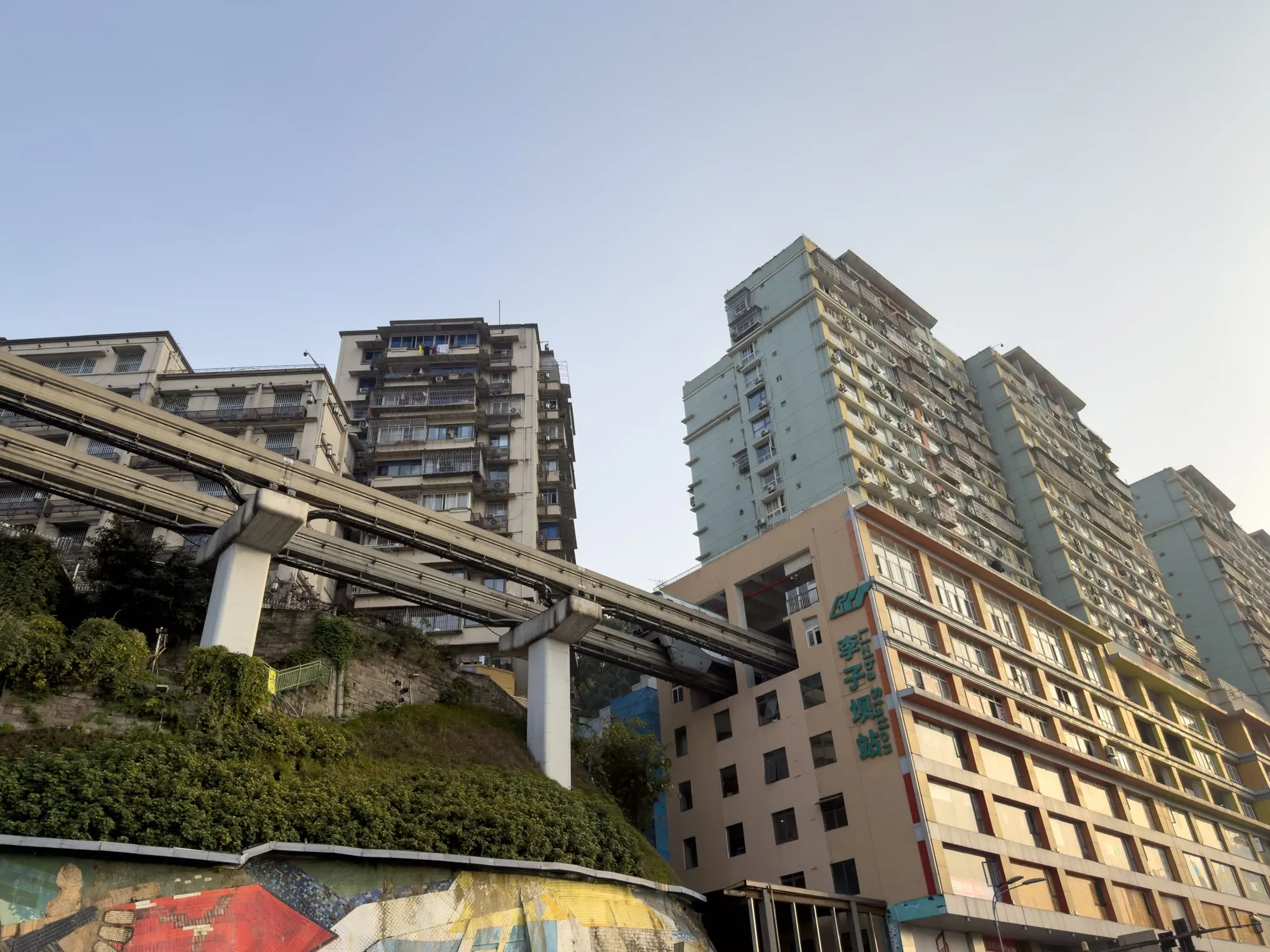
| Liziba | Monorail Line 2 runs straight through a residential building at Liziba station |
We re-check every fact in our guides on a schedule and show the date here. Spotted something that changed? Tell us.
Some links in this guide are affiliate links. They cost you nothing extra and help keep the blog free.
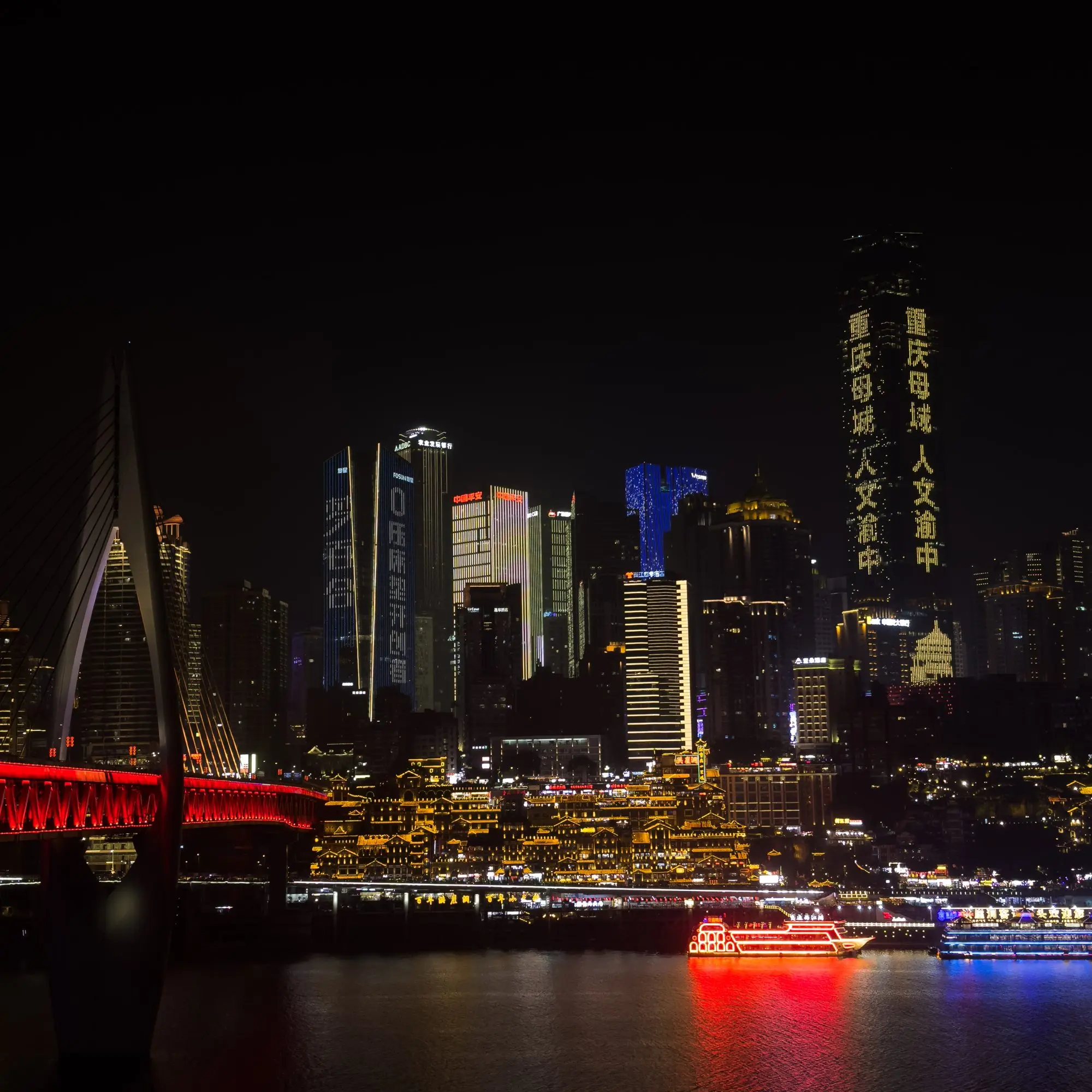
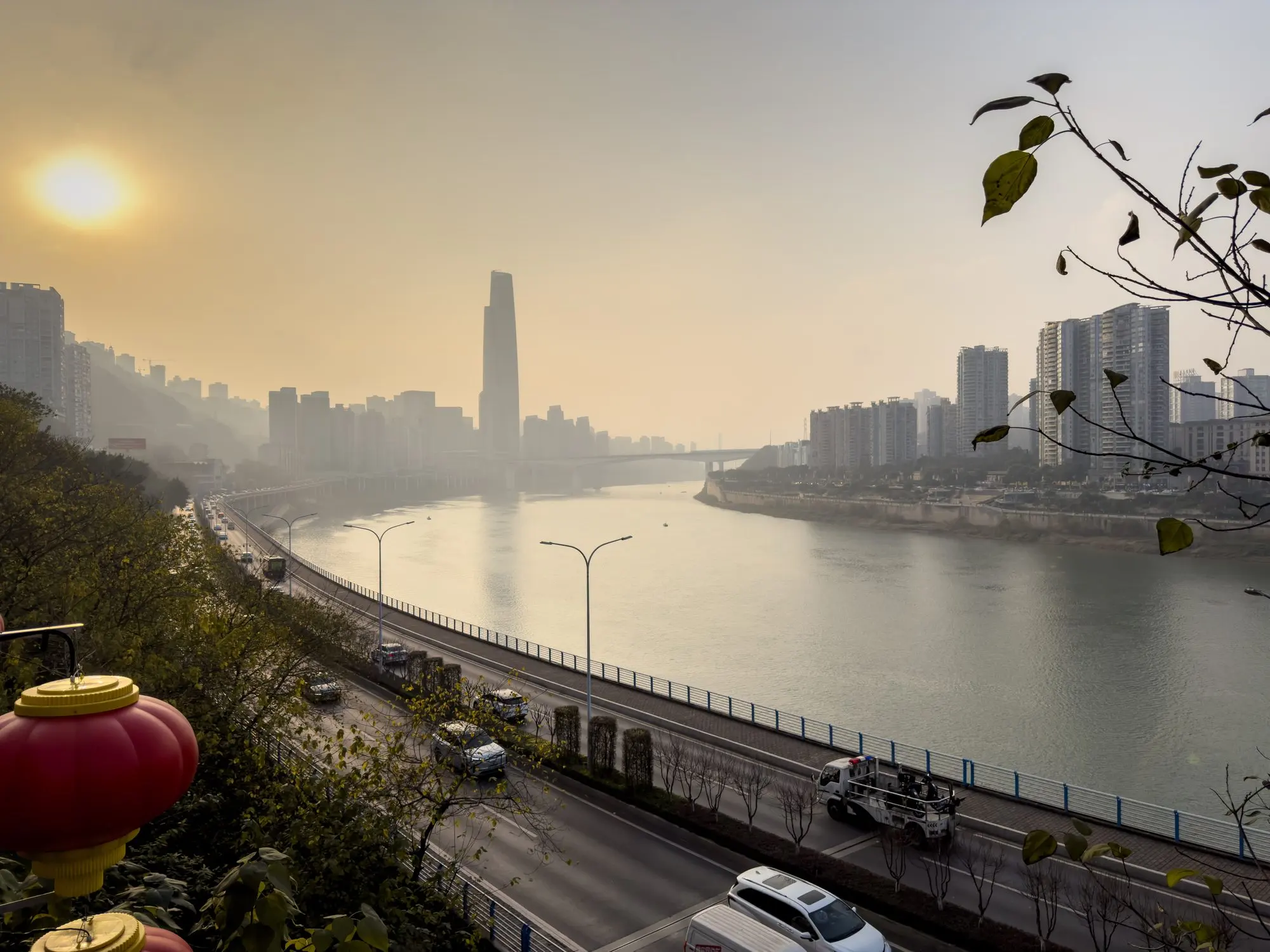
Chongqing is the most surprising city we have ever visited. It is built on steep hills where two rivers meet, so roads run over rooftops, a monorail goes straight through an apartment block, and the “ground floor” of a building can be twenty storeys up. Locals call it the 8D city, and at night, when the towers and the stilted buildings of Hongyadong light up above the river, it looks like something out of a science fiction film.
We came by train from Guilin, after three nights in Yangshuo, and stayed two nights, which was just enough to see the highlights. It was one stop on our 17-day China itinerary. Here is how we would plan two days in Chongqing.
Chongqing in 2 days
Tap a place to see where it is.
Why Chongqing is called the 8D city
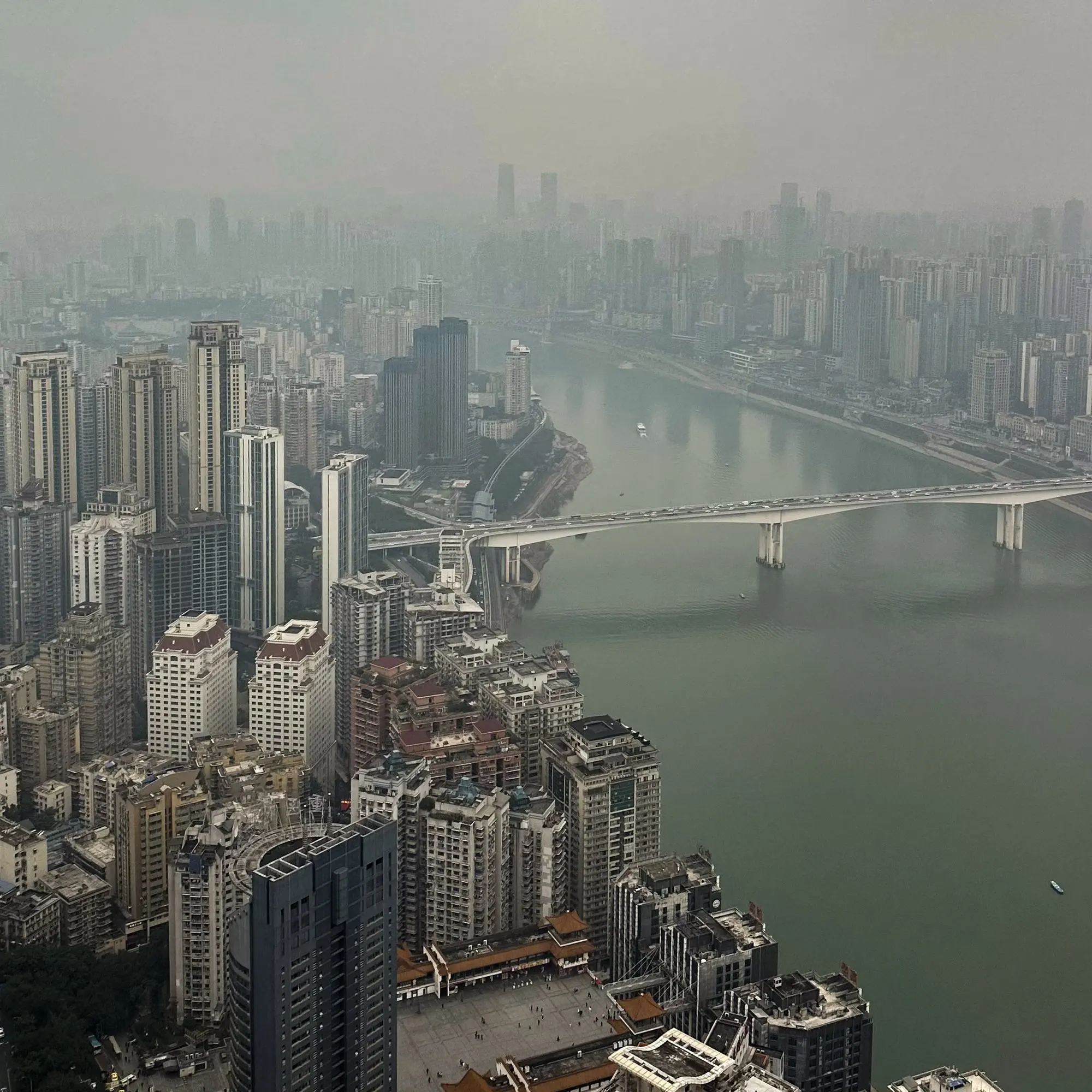
Chongqing’s centre, Yuzhong, sits on a hilly peninsula between the Yangtze and Jialing rivers. Because the land is so steep, streets, bridges, buildings and train lines are stacked on top of one another, and your map app often can’t tell which level you are on. That layered, maze-like feel is what people mean by “8D”.
2 days in Chongqing at a glance
| Day | Daytime | Evening |
|---|---|---|
| Day 1 | Jiefangbei and Shibati | Hongyadong, Qiansimen Bridge, Chaotianmen |
| Day 2 | Liziba station and the Yangtze River Cableway | Ciqikou Ancient Town |
- Day 1, afternoon Jiefangbei and Shibati
- Day 1, dusk Hongyadong
- Day 1, night Chaotianmen
- Day 2, morning Liziba and the cableway
- Day 2, afternoon Ciqikou
Day 1: Jiefangbei, Hongyadong and the rivers at night
Jiefangbei. Start at the Liberation Monument in the heart of the city, surrounded by pedestrian streets, malls and skyscrapers. Our hotel was right next to it.
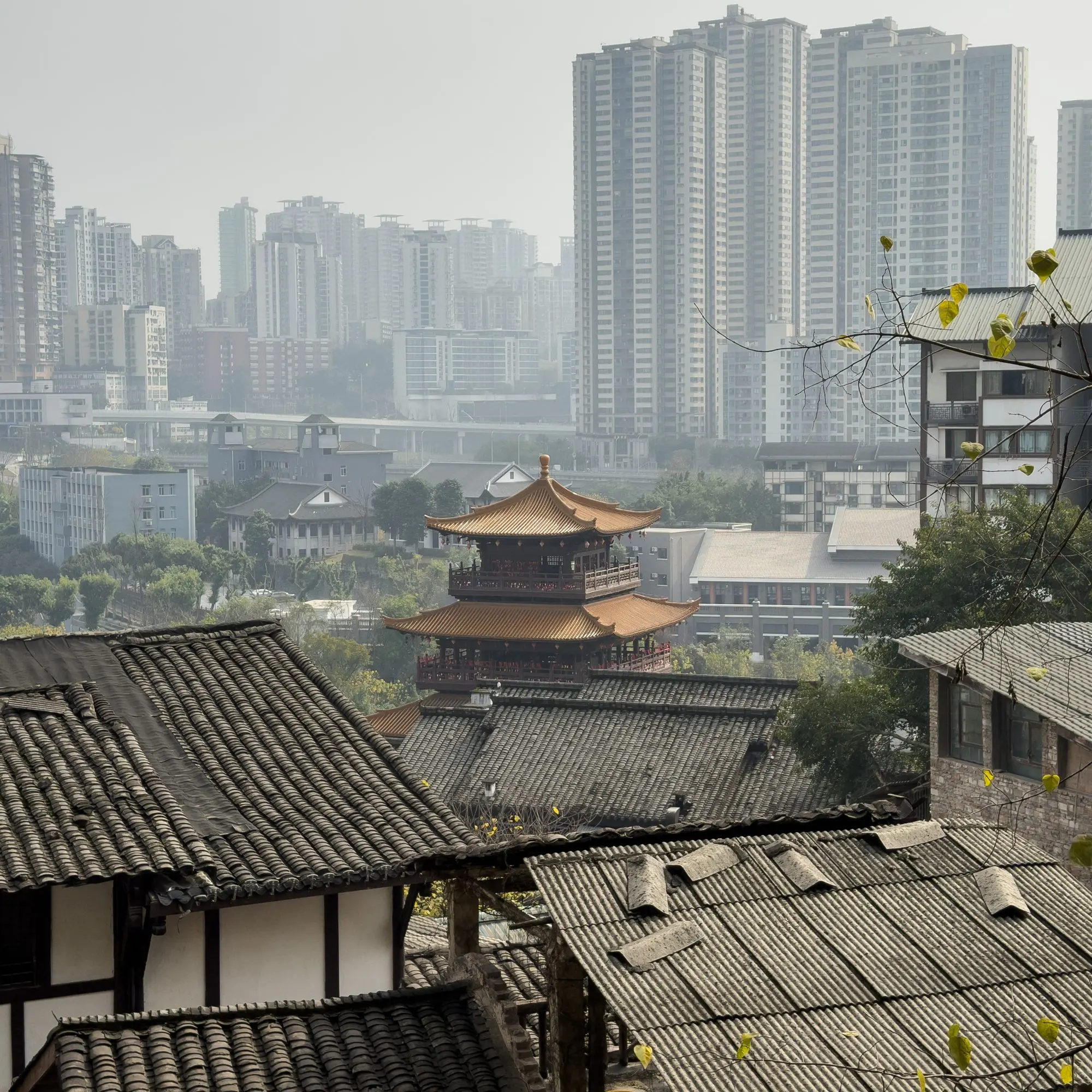
Shibati. Walk down to Shibati, an old quarter of steps and traditional buildings restored as a street of snacks and shops, which shows what old Chongqing looked like before the towers.
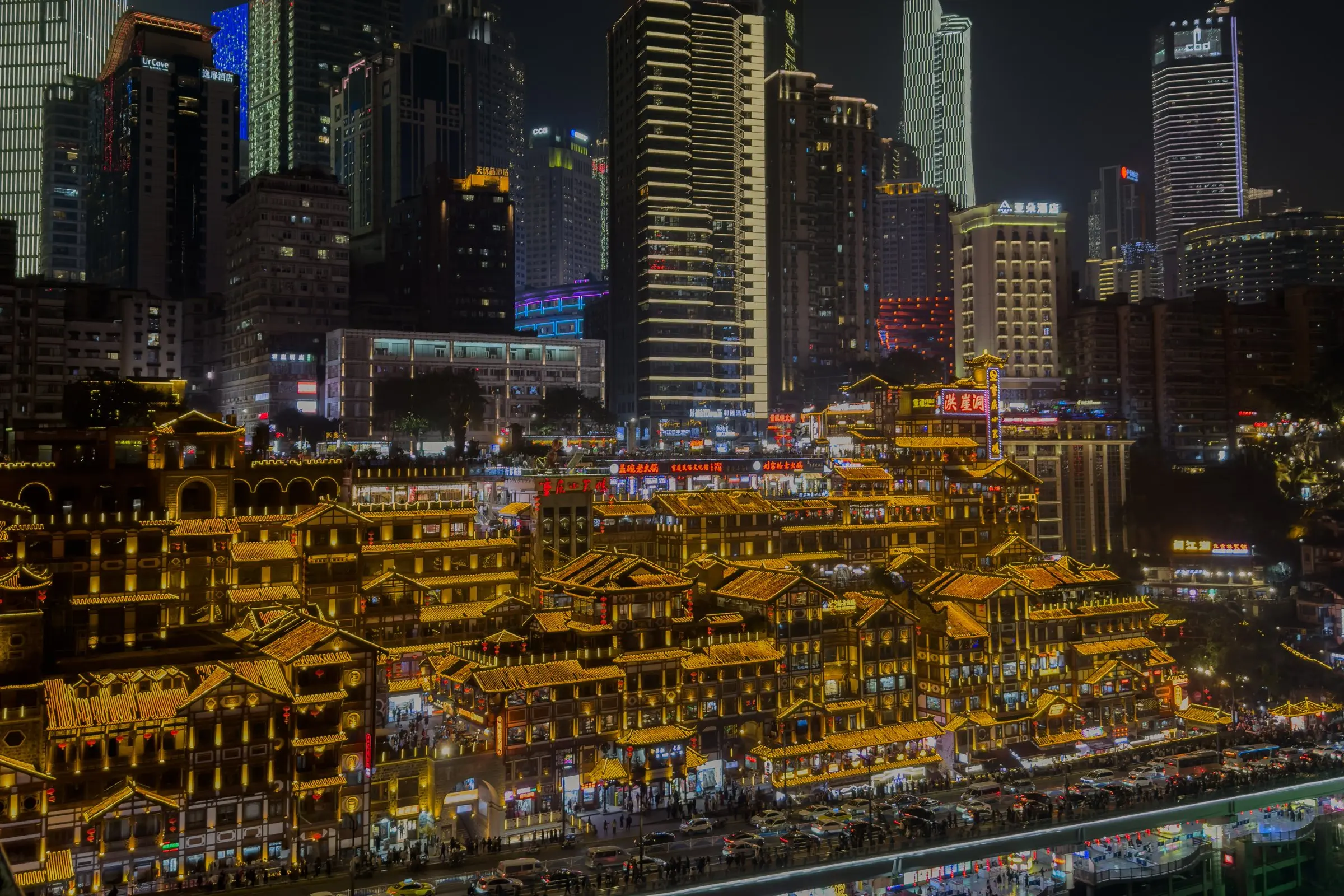
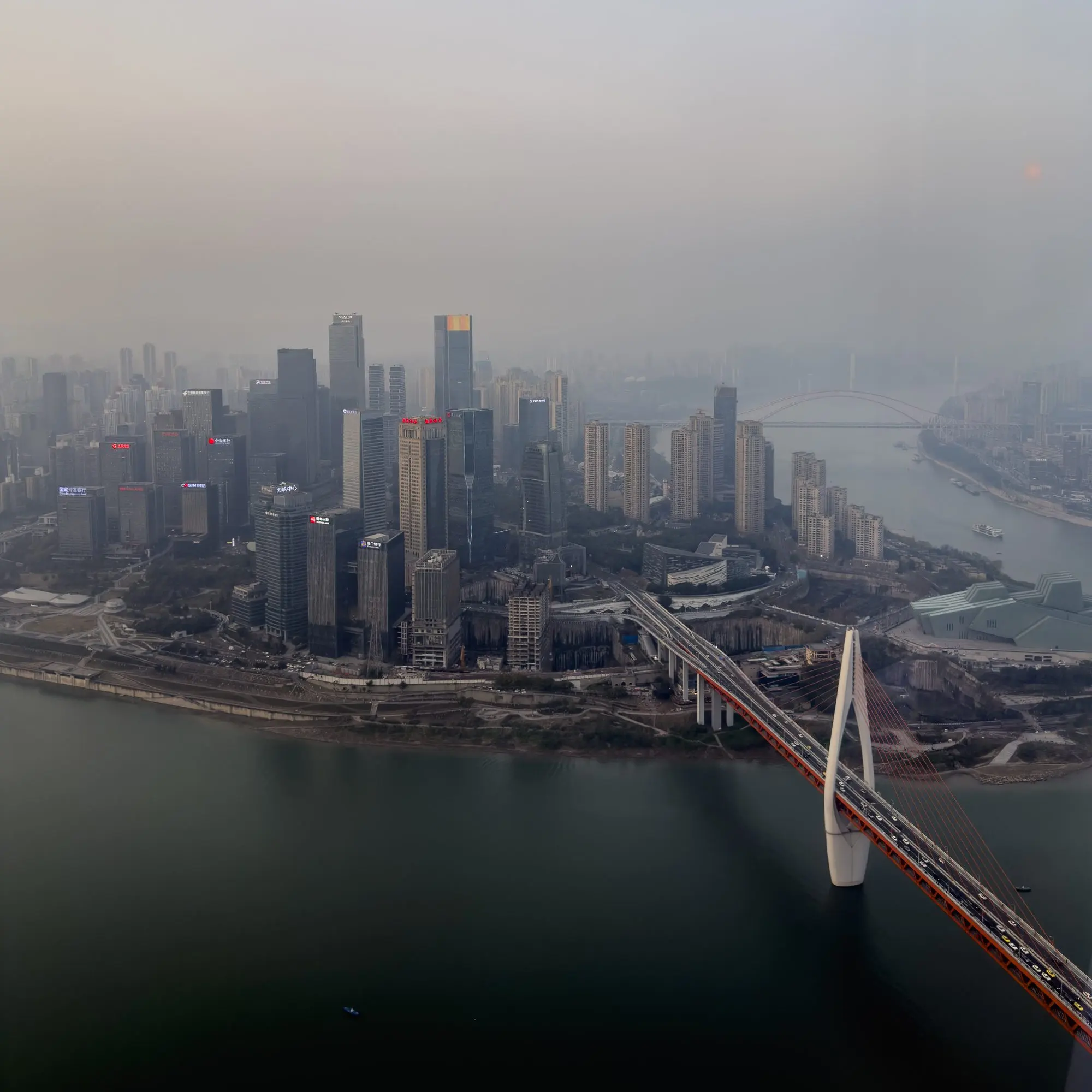
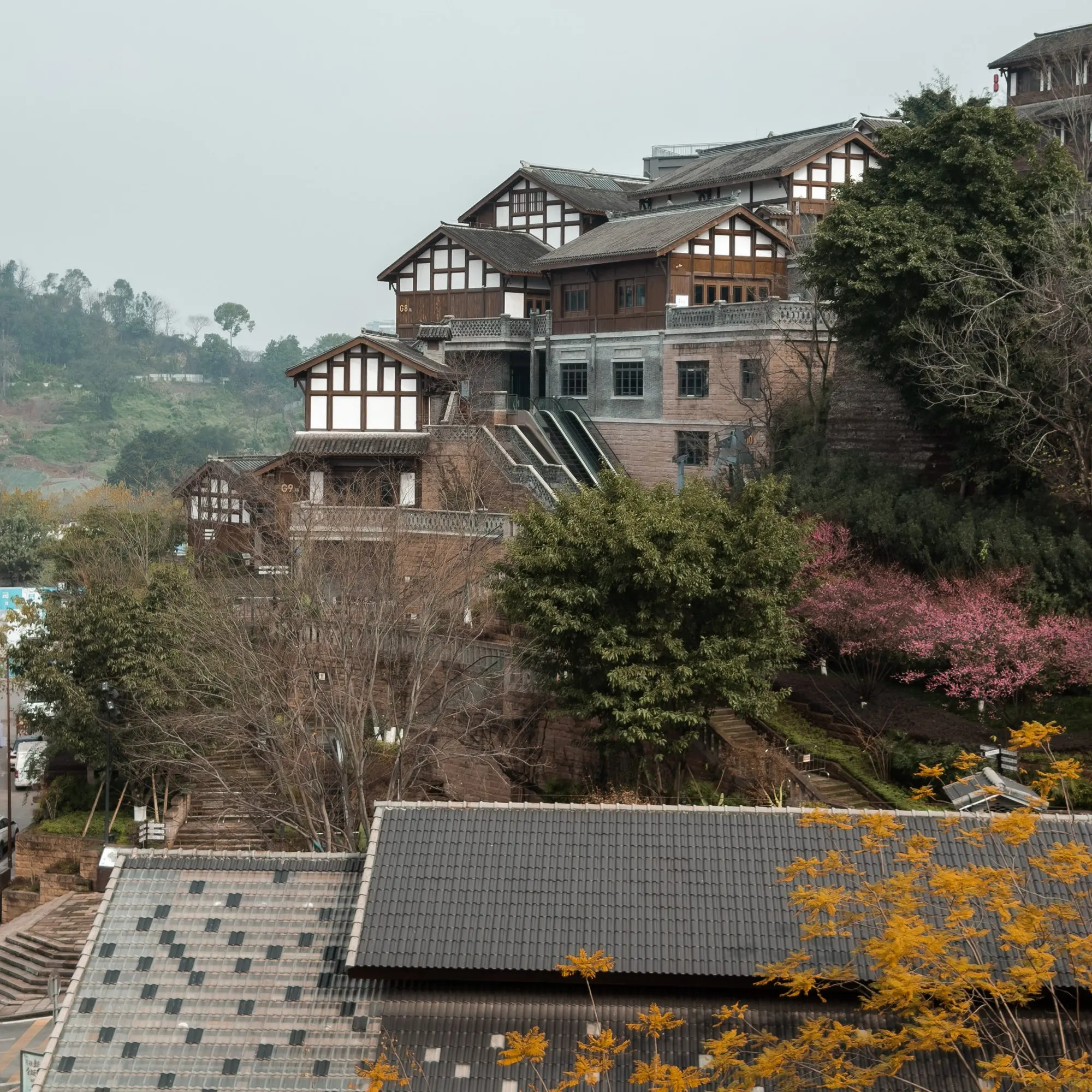
Hongyadong. As it gets dark, walk to Hongyadong, a stack of traditional-style stilted buildings clinging to the cliff above the Jialing River. When it lights up at night, it is one of the most photographed sights in China. Inside are restaurants and shops on many levels; take photos from the Qiansimen Bridge or from the opposite riverbank.
We explored it from the inside, but found it crowded and a little overwhelming. The narrow alleys and the sheer number of tourists take some of the magic away up close. The architecture is beautiful, but honestly the best way to experience it is from a distance. The view from the Qiansimen Bridge or the opposite riverbank is where it actually takes your breath away.
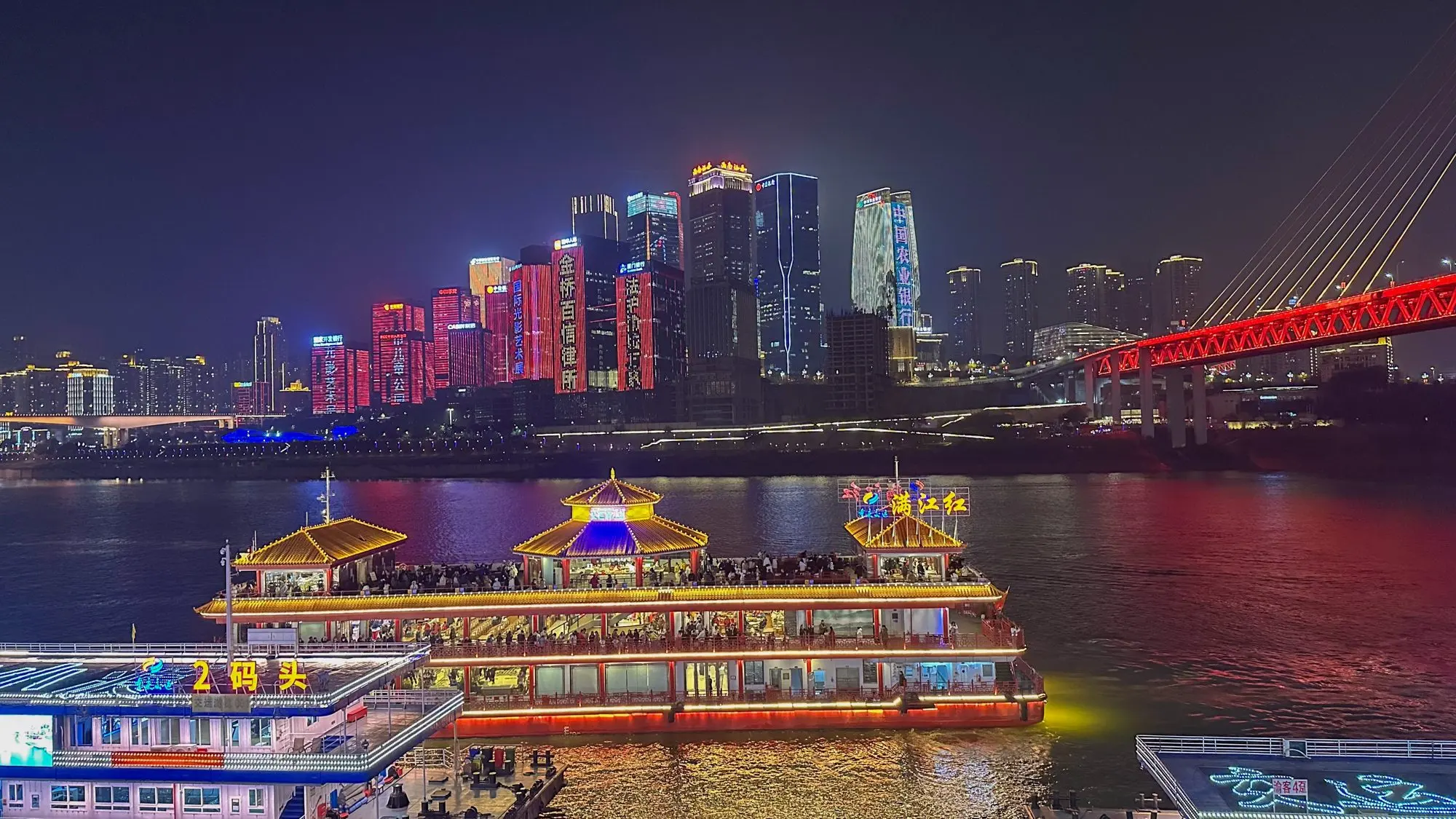
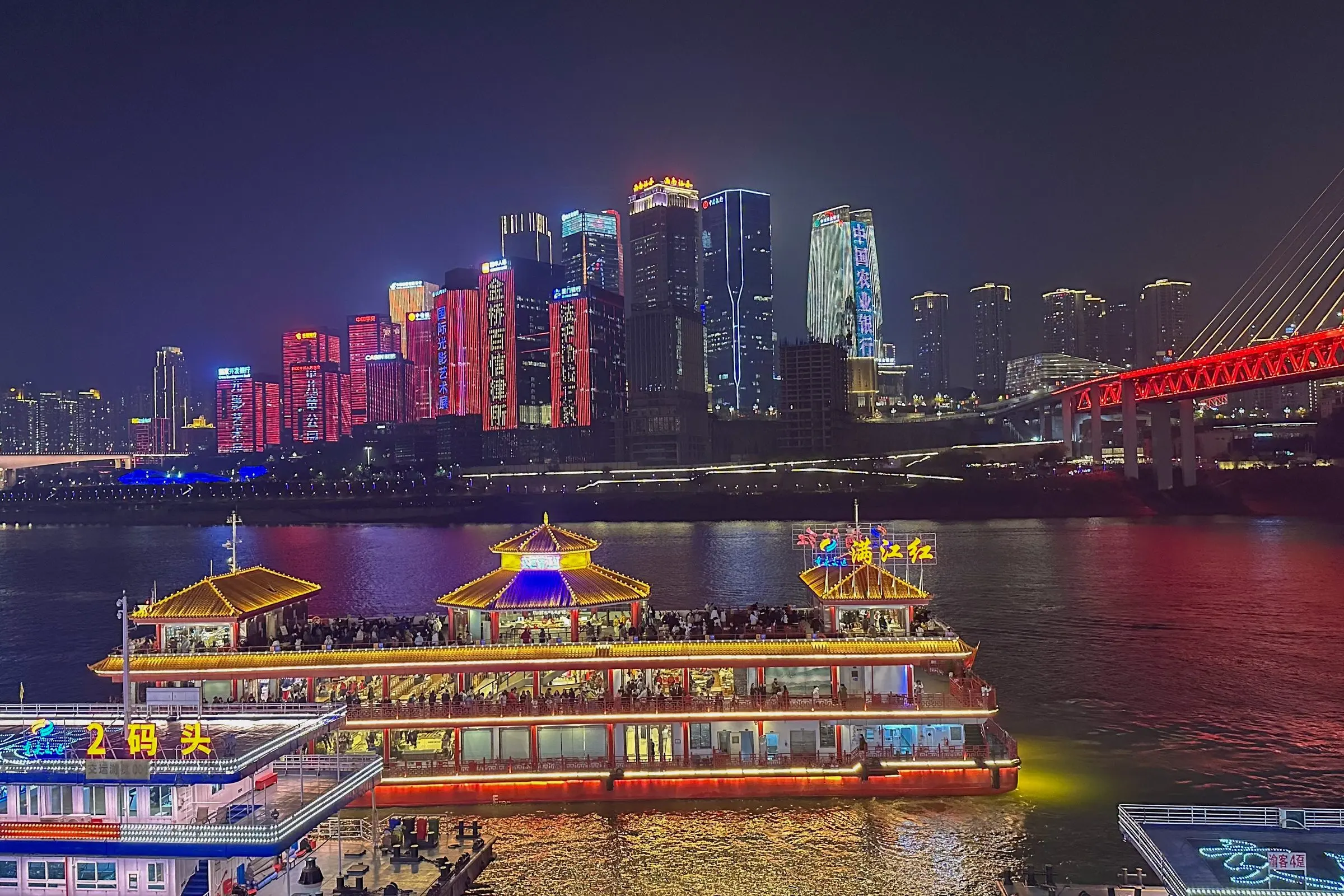
Chaotianmen. Finish at the tip of the peninsula, where the Yangtze and the Jialing meet. Night cruises leave from here for views of the lit-up skyline.
Day 2: Liziba, the cableway and Ciqikou
Liziba station. Ride Line 2 of the monorail to Liziba, where the train runs straight through a residential building. Watch it from the viewing platform below the station.
Yangtze River Cableway. Ride the cable car across the Yangtze, high above the river, for a classic view of the city.
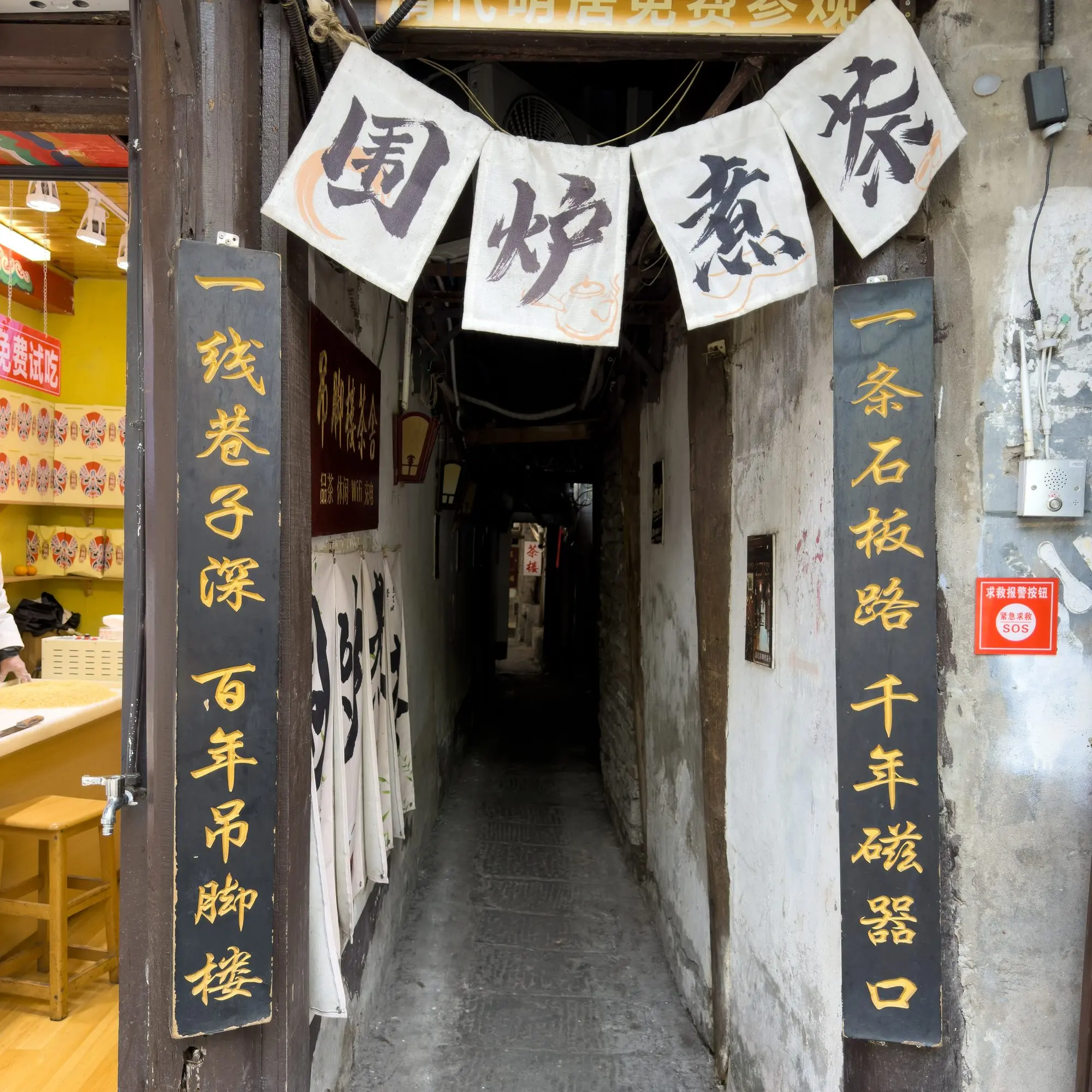
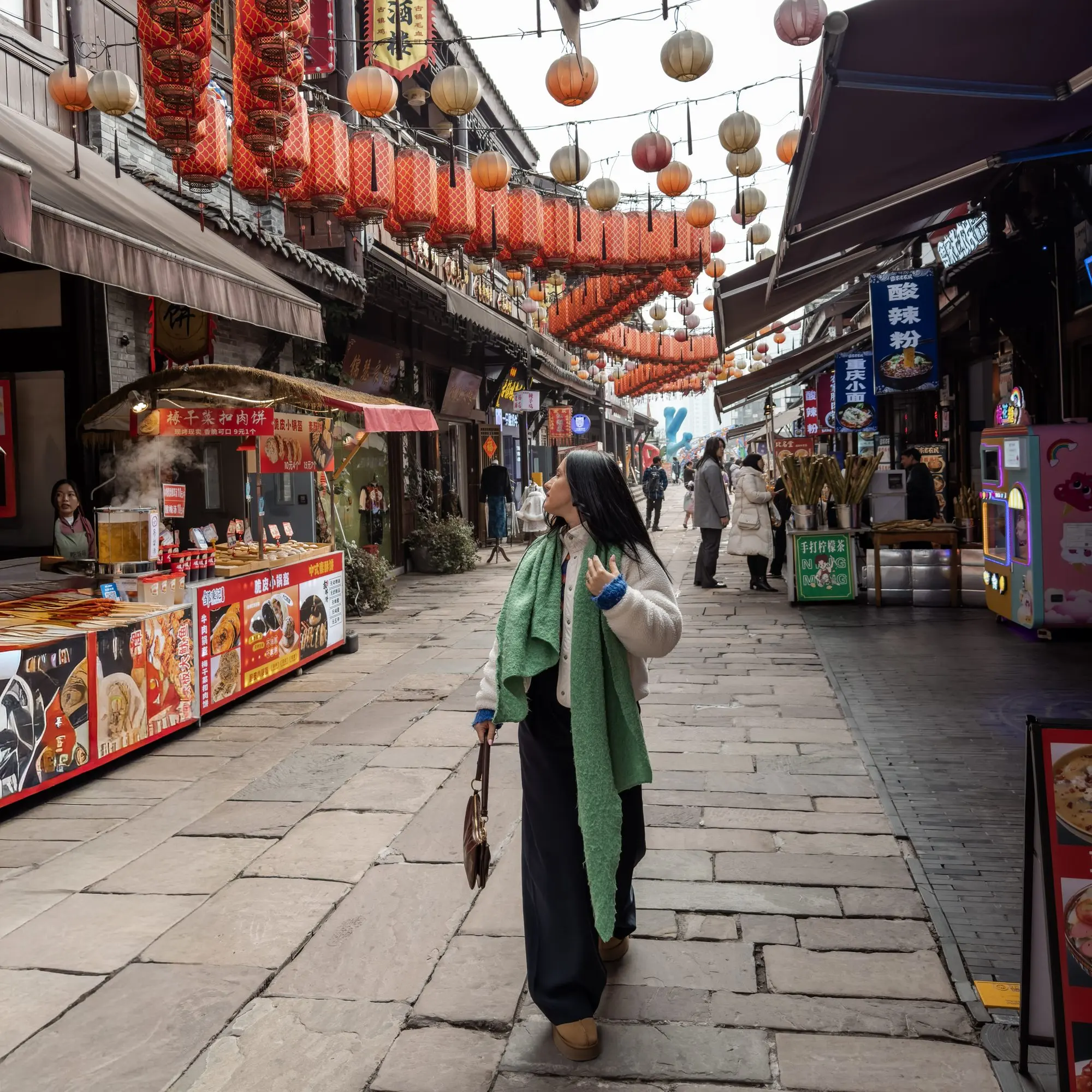
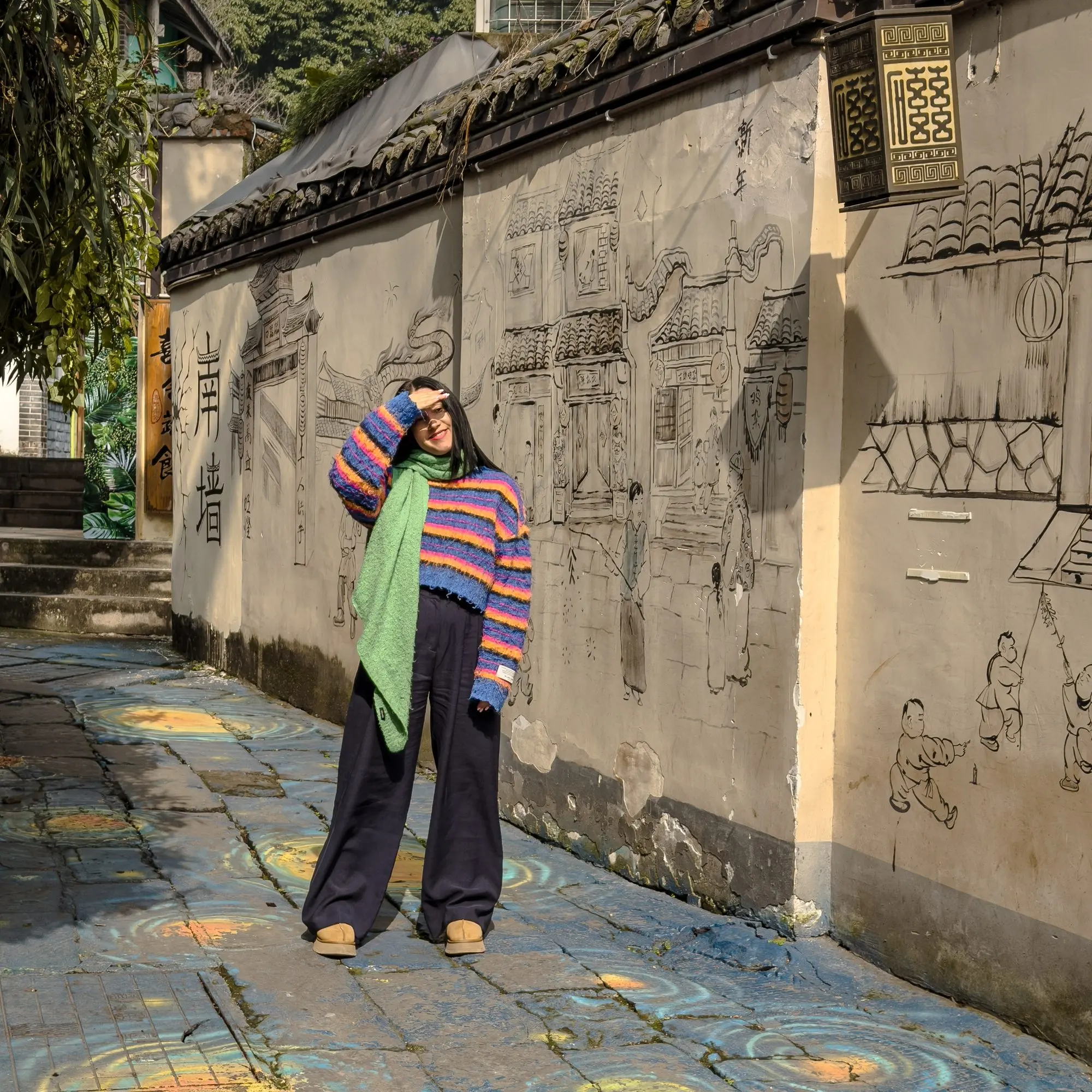
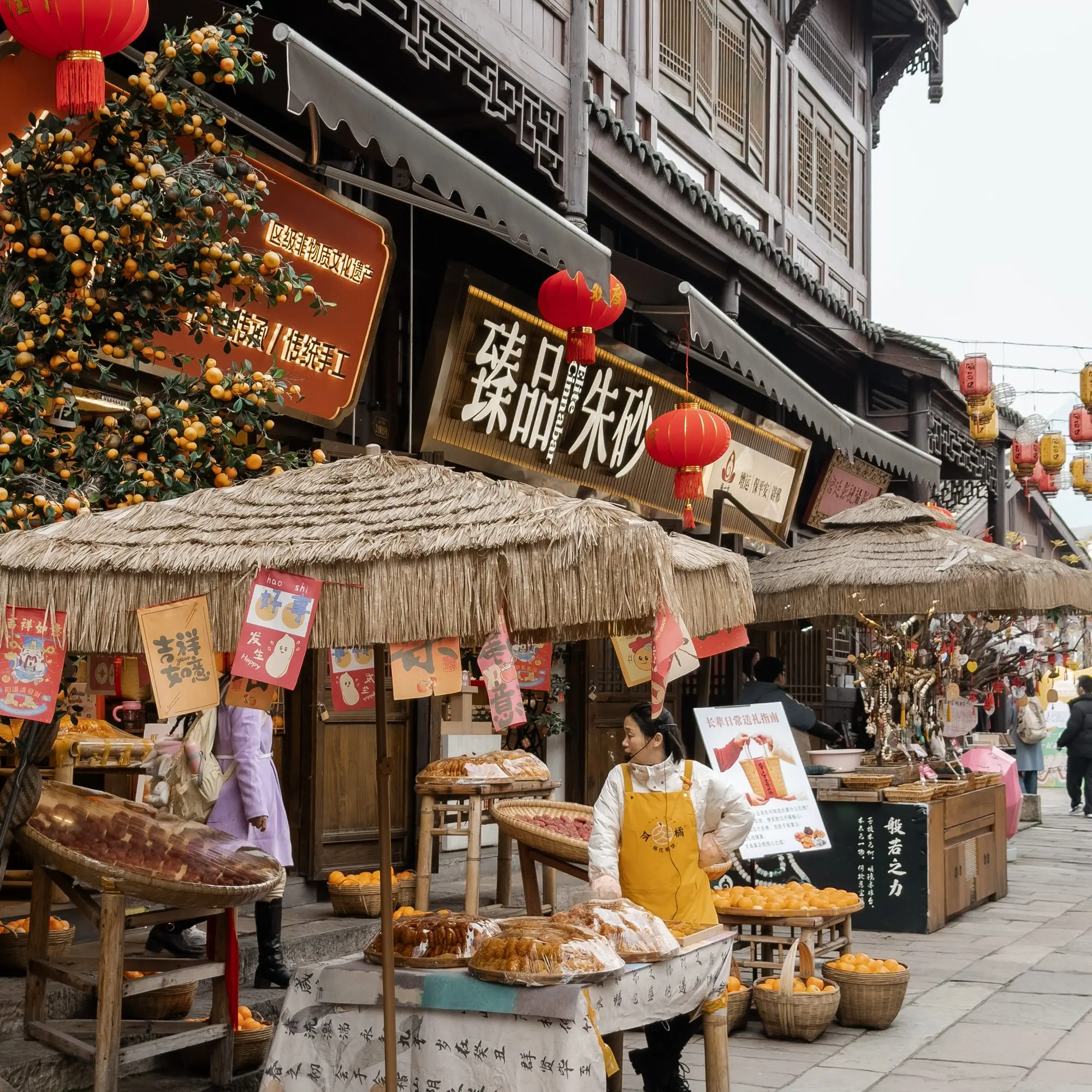
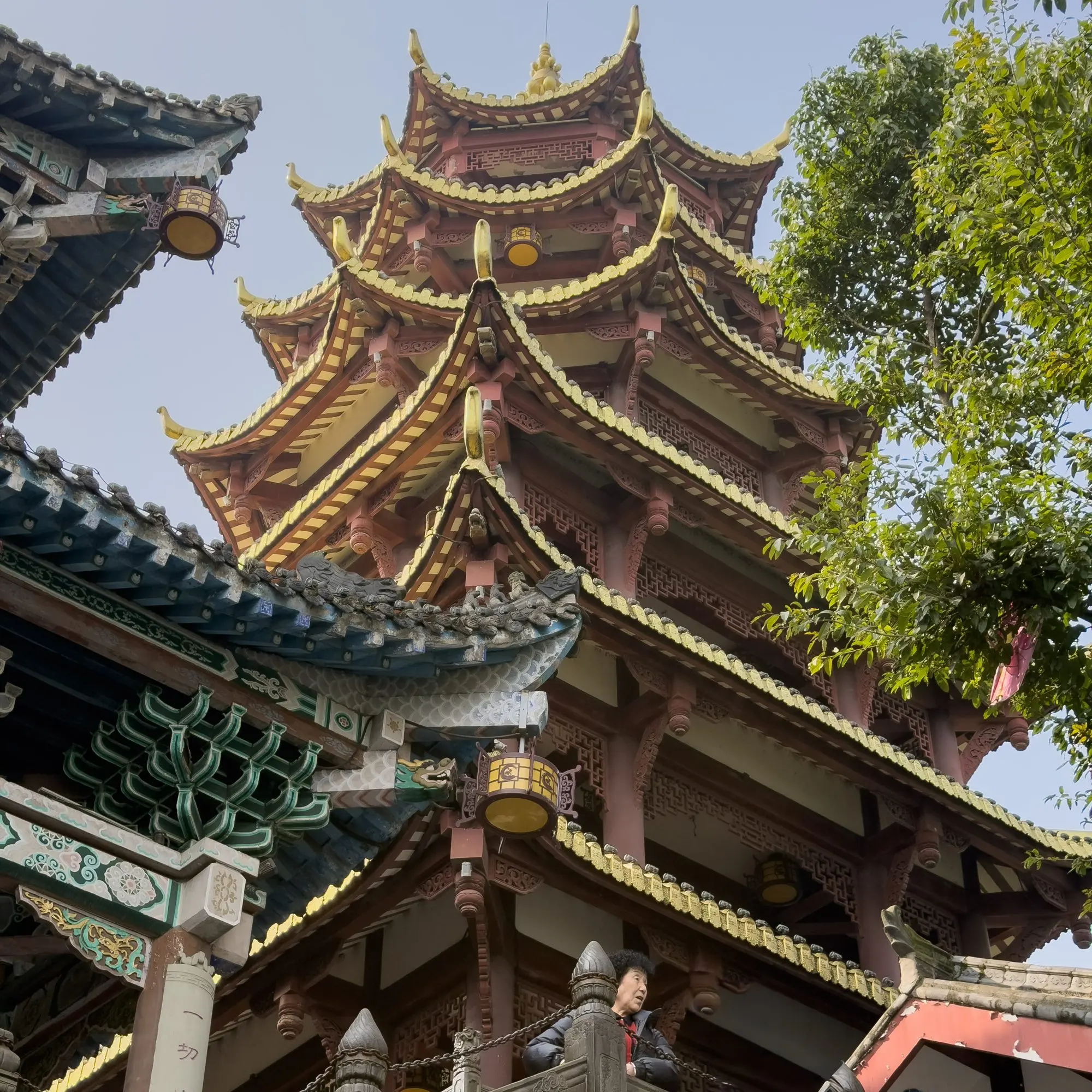
Ciqikou Ancient Town. In the afternoon, visit Ciqikou, an old riverside town of narrow lanes, tea houses and snack stalls on the western edge of the city.
We loved exploring it! Every narrow alley was as picturesque as the last, and there was a genuine sense of stepping back in time. It was busy, but not in a way that felt overwhelming. We spent around two hours there, though you could easily fill half a day, especially if you stop to eat along the way.
What to eat in Chongqing
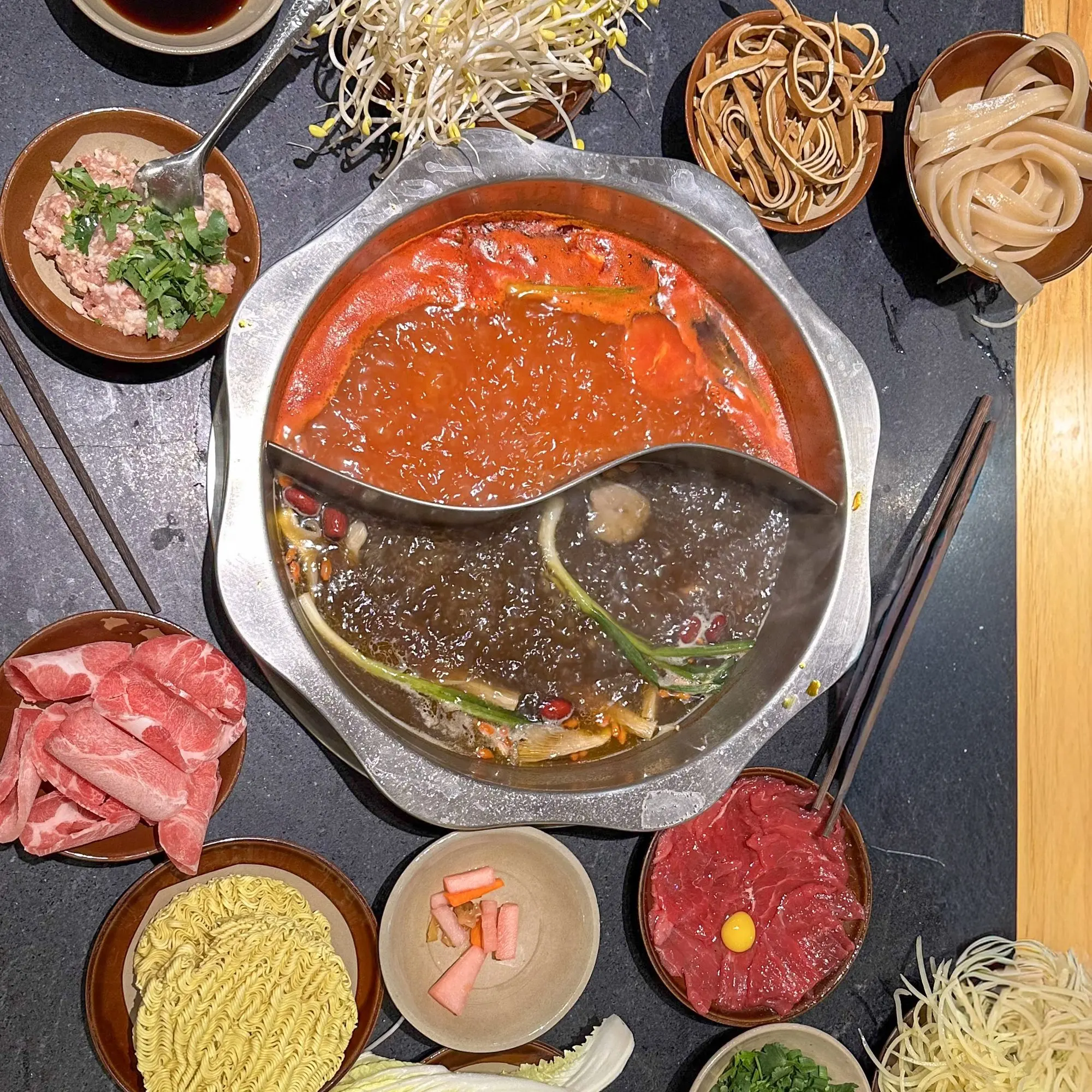
Chongqing is the home of hotpot: a bubbling pot of broth loaded with chilli and Sichuan pepper, into which you dip meat, tofu and vegetables. Ask for a split pot if you want a milder broth on one side. Also try xiaomian, spicy breakfast noodles.
We also tried hotpot at a local restaurant. We’re not particularly good with spicy food, so we asked them to make it mild. Even then, if we’re being honest, it wasn’t quite our cup of tea! That said, we’d still recommend giving it a try, if only for the experience. We’d suggest choosing a very local restaurant rather than a touristy spot, as it’s a nice way to experience everyday life and see how locals enjoy their meals. The language barrier can be a little challenging, but Google Translate will come in handy!
| Dish | What it is | Spice tip |
|---|---|---|
| Hotpot | Broth with chilli and Sichuan pepper, cooked at the table | Ask for a split pot or a mild broth |
| Xiaomian | Spicy breakfast noodles | Ask for less chilli |
Where we stayed: The Lixury Hotel, Unbound Collection by Hyatt
We stayed two nights at The Lixury Hotel, part of Hyatt’s Unbound Collection, on the top floors of the Chongqing World Financial Center, one of the tallest buildings in the city. It is right next to Jiefangbei, and Hongyadong is within walking distance.
The views were absolutely incredible! One of my favourite things was waking up in the morning, making a cup of coffee and enjoying the skyline through the floor-to-ceiling windows. The room was cosy and spotless, and the staff were also very kind and welcoming, making our stay even more enjoyable.
Where to stay in Chongqing: Yuzhong, around Jiefangbei, puts you within walking distance of most sights.
Getting around Chongqing
The metro and monorail are the easiest way to get around, and DiDi works everywhere. Amap is far more reliable than Google Maps here, but even Amap can struggle with the layers, so allow extra time.
How many days in Chongqing?
Two days is enough for the highlights. With a third day, take a trip out of the city, for example to the Wulong Karst. From Chongqing, we took the train on to the Avatar mountains of Zhangjiajie.
Is Chongqing worth visiting?
Yes. It is the most surprising city we have visited, with roads over rooftops, a train through a building and Hongyadong lit up at night.
Why is Chongqing called the 8D city?
The centre is so steep that streets, bridges, buildings and train lines are stacked on top of one another, so it feels like a layered maze.
How many days do you need in Chongqing?
Two days is enough for the highlights. With a third day, take a trip out of the city, for example to the Wulong Karst.
Where is the train that goes through a building?
At Liziba station on monorail Line 2. Watch it from the viewing platform below the station.