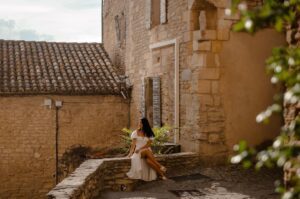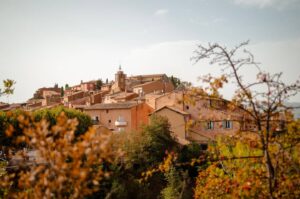
If you’re looking to trade your everyday routine for a taste of authentic French life, these enchanting villages in France are calling. This isn’t about the bustling cities or the glitz of the coast. This is about discovering a more tranquil rhythm in the sun-baked hamlets where time seems to slow down just for you.
In this guide, we’re going to share a journey through five of the most beautiful villages in the South of France: Eze, Roussillon, Lacoste, Gordes, and Grasse. These are places we’ve loved visiting, and we’ll give you our personal tips on what makes each spot so special, the practical advice you need for a seamless trip, and a few little secrets to make your experience truly unforgettable.
Eze: The Eagle’s Nest with a View
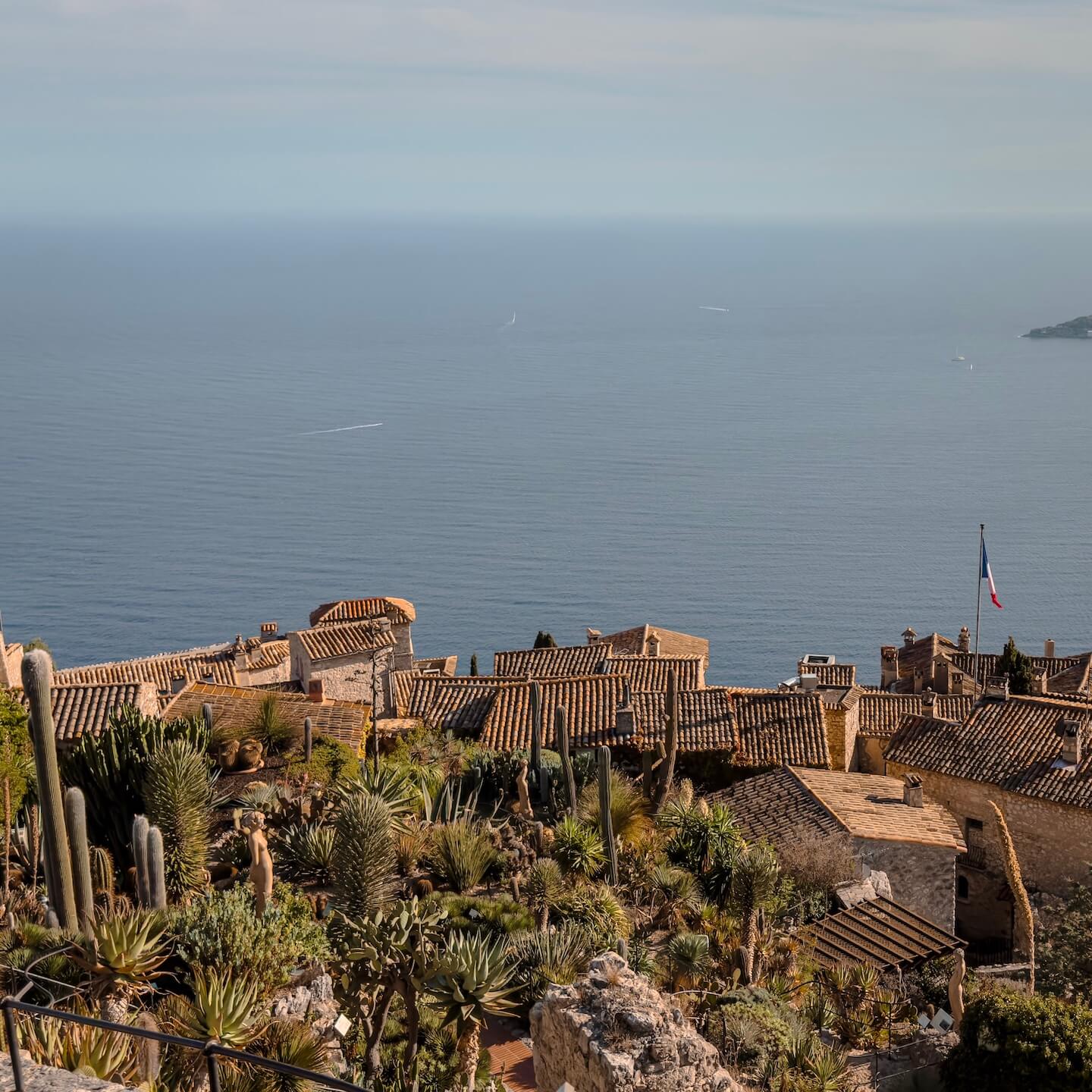
Perched high on a rocky outcrop overlooking the Mediterranean Sea, Eze is a breathtaking medieval village in France that feels like it’s been plucked from a fairytale. Its narrow, winding streets are a maze of stone archways, vibrant bougainvillea, and artisan boutiques. It’s the kind of place that begs you to get lost in its beauty.
What to Do in Eze:
- Wander the Jardin Exotique d’Eze: This is a non-negotiable for us. At the very top of the village, the Botanical Garden is built around the ruins of a 14th-century castle. It’s a botanical wonderland of cacti and desert plants, but the real star is the panoramic view. From here, you can see the entire French Riviera stretching out before you, all the way to Saint-Jean-Cap-Ferrat. It was our favorite spot for a moment of quiet reflection and to get that perfect Instagram shot. Just remember, there’s a small fee to enter, but trust us, the views are worth every euro. For a hassle-free experience, you can book this tour.
- Embrace Your Inner Perfumer: Eze is a hub for perfumeries. I loved taking a free guided tour at one of the famous perfume factories, such as Fragonard or Galimard, and learning about the art of scent creation. You can even try your hand at creating your own unique fragrance in a workshop; a perfect, personalized souvenir that you’ll always associate with your time here.
- Hike the Nietzsche Path: For the more adventurous, this steep trail connects the village of Eze to Eze-sur-Mer at the coast. It’s named after the German philosopher Friedrich Nietzsche, who is said to have found inspiration for his work Thus Spoke Zarathustra while walking the path. The hike down takes about an hour and offers spectacular views. You can always take the bus or train back up if you don’t fancy the climb. Admittedly, this isn’t something we’ve personally tried, so we’d love to hear your thoughts in the comments if you have.
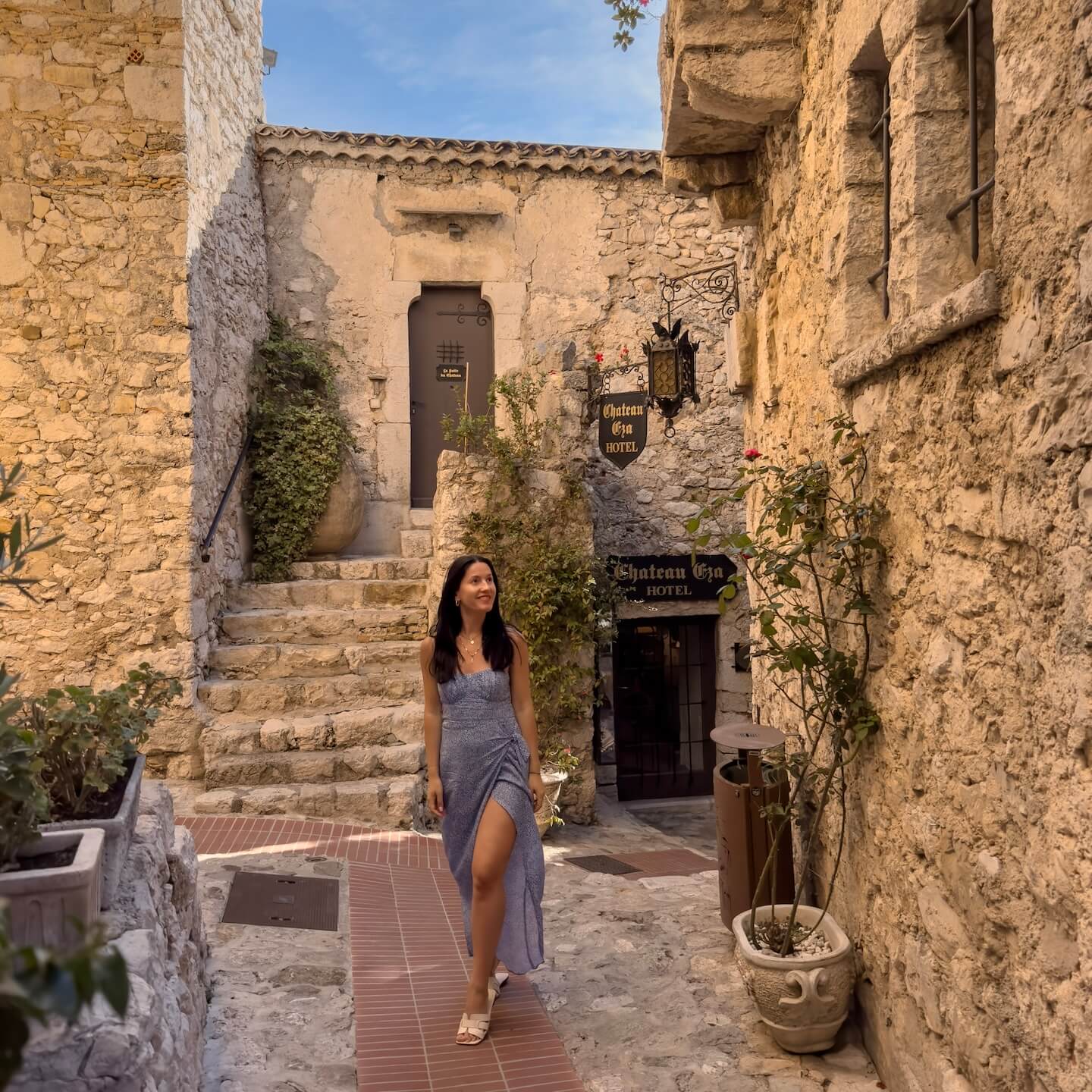
Eze Travel Tips:
- Getting there: Eze is easily accessible by bus from Nice. The bus ride is scenic and inexpensive.
- When to go: While beautiful year-round, Eze can get incredibly crowded in the summer. I recommend visiting in the shoulder seasons of May or September for pleasant weather and fewer tourists. A clear day is essential to fully appreciate the views, so check the weather forecast before you go.
- Where to find a quiet spot: The main village can be bustling. To find a quieter corner, head to the cemetery next to the church or simply get lost in the smaller, less-traveled side streets.
Roussillon: Our Favorite Village in France
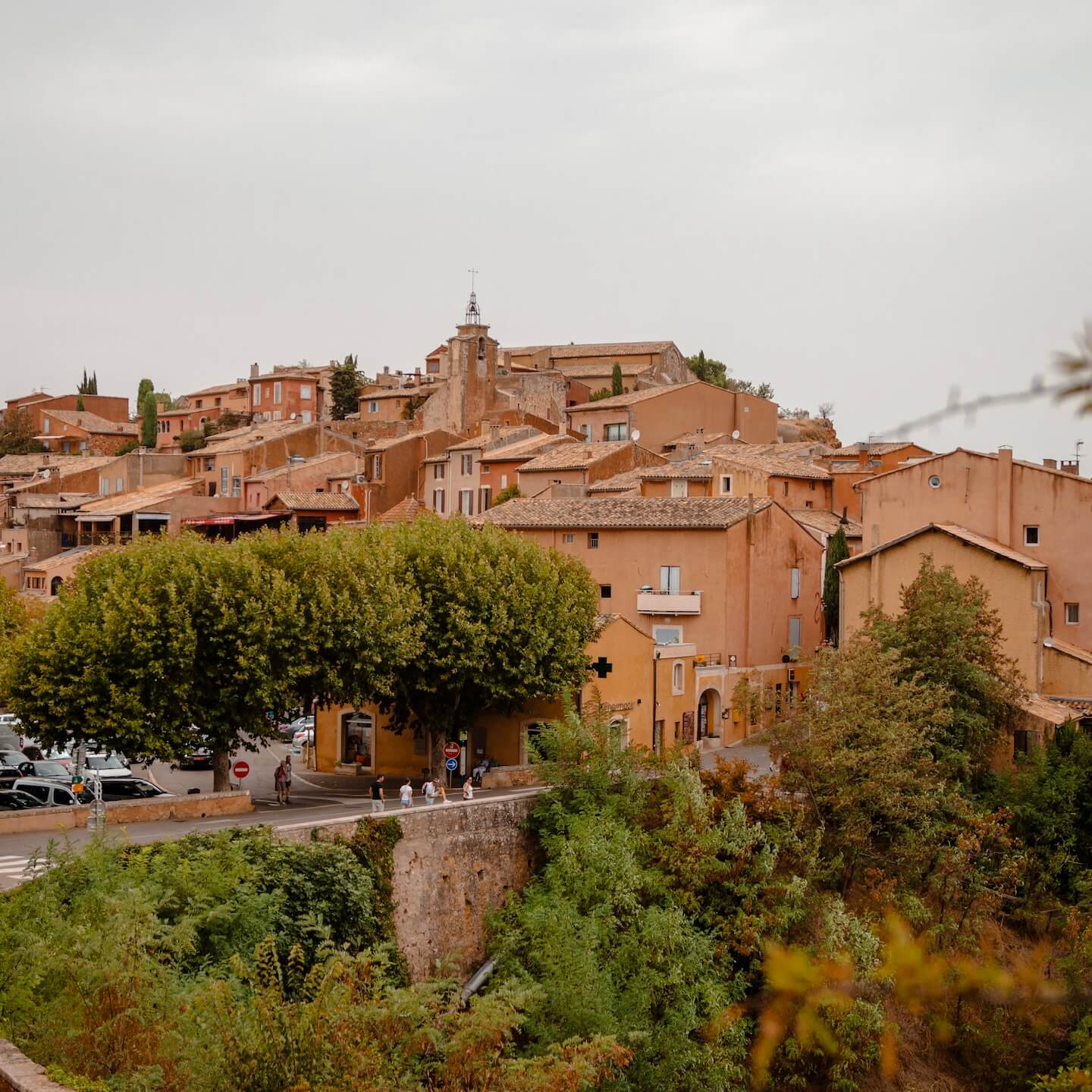
Next, we travel inland to the heart of the Luberon Valley and the striking village of Roussillon. What sets this village apart is its vibrant, ochre-colored cliffs and the houses built from the same rich, red earth. The village seems to glow in the sunlight, with every shade from terracotta to burnt orange creating a palette that is both earthy and breathtaking.
What to Do in Roussillon:
- Hike the Sentier des Ocres (Ochre Trail): This is the main attraction and for good reason. A short, easy hike takes you through the former ochre quarries, a landscape that feels more like the American Southwest than rural France. The contrast of the deep red earth against the vibrant green pines is a visual feast. We found that wearing older shoes for this hike was a good idea, as the ochre dust gets on everything! There are two trails to choose from, a 35-minute loop and a longer 50-minute one.
- Explore the village: Roussillon is an artist’s dream and undeniably one of the most beautiful villages in France! The village is filled with art galleries, studios, and boutiques selling local crafts. The central square, with its charming cafés and restaurants, is the perfect place to grab a coffee and simply soak in the colors.
- Enjoy a Provençal Market: If you’re visiting on a Thursday morning, you’ll be treated to the local market where you can find everything from fresh produce and regional cheeses to handcrafted goods. It’s a wonderful way to experience the local culture and grab some treats to snack.
Roussillon Travel Tips:
- Beware of the ochre dust: The ochre is a fine, powdery clay. It will get on your shoes and clothes. Consider wearing older shoes for the hike and be prepared to brush off the vibrant dust.
- How to get there: Roussillon is best reached by car, as public transport can be limited. This is especially true if you want to explore the surrounding Luberon region and its famous lavender fields.
- Best time to visit: The village is beautiful at any time, but we found it especially magical in the late afternoon when the sun is low and the ochre colors are at their most intense.
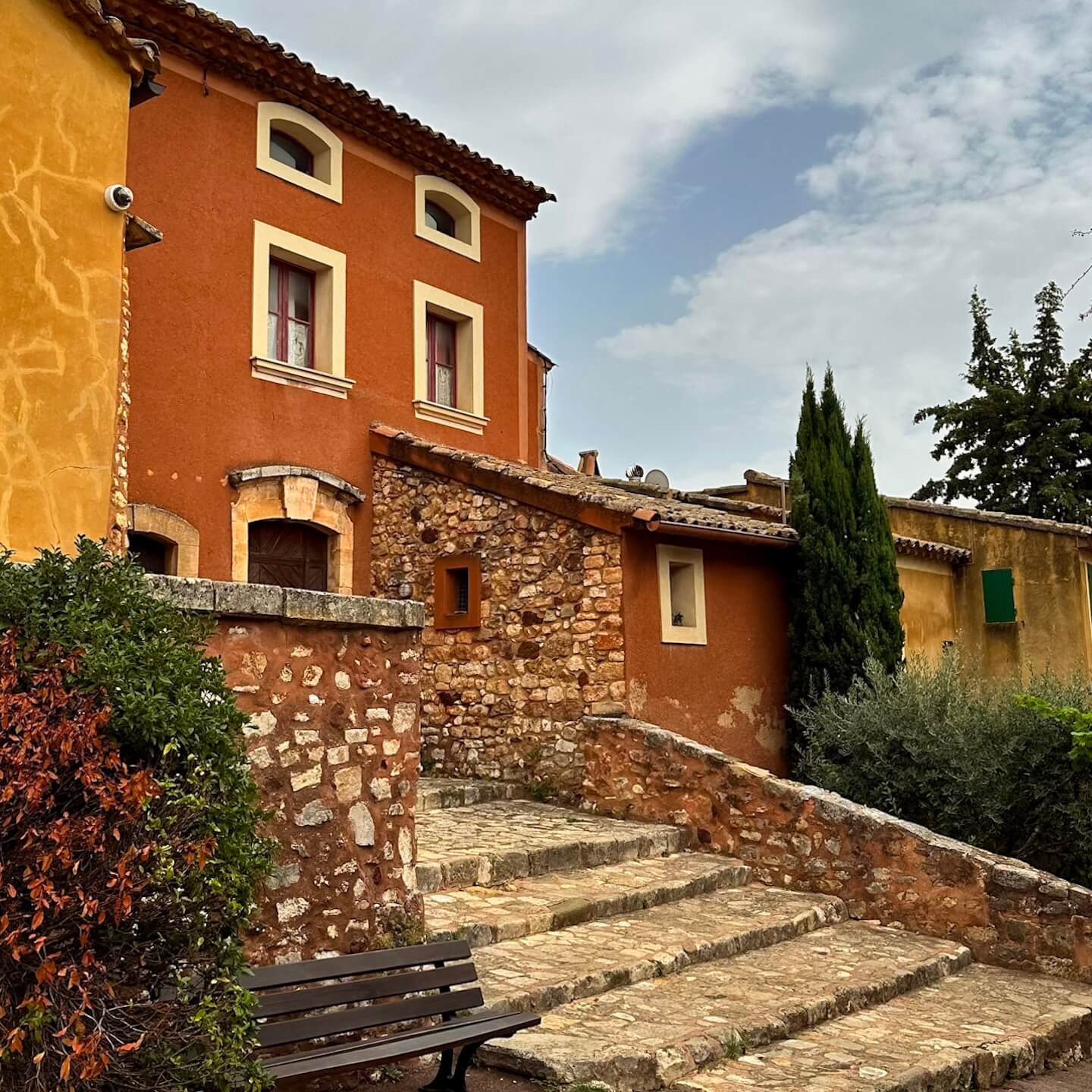
Lacoste: The Artistic Soul of Provence
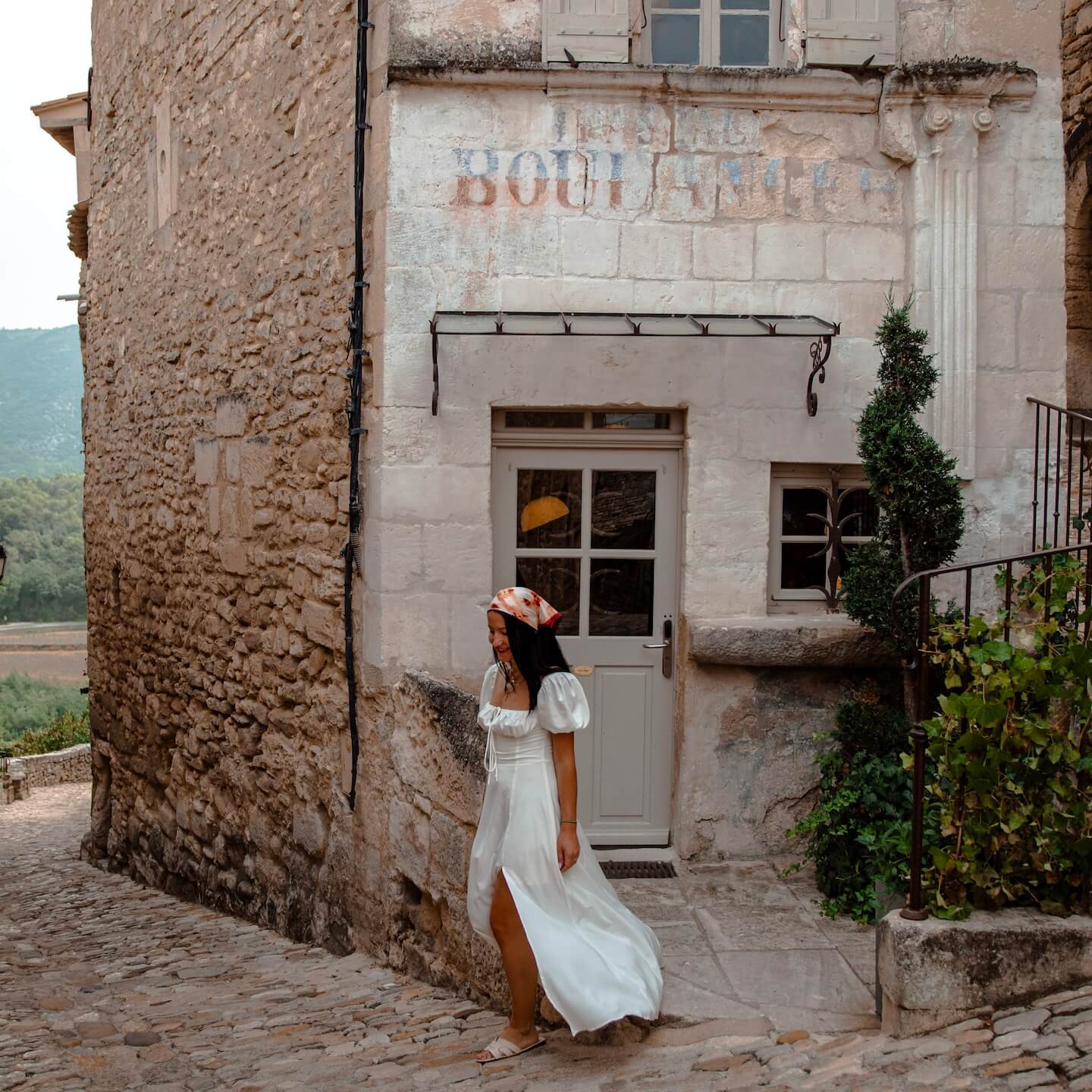
Just a stone’s throw from Gordes and Roussillon is the quiet, unassuming village of Lacoste. Famous for being the former home of the notorious Marquis de Sade and, more recently, for being acquired and revitalized by the fashion designer Pierre Cardin, Lacoste has a unique, artistic atmosphere. It’s less polished and more rugged than its neighbors, offering a more authentic glimpse into Provençal life.
What to Do in Lacoste:
- Visit the Château de Lacoste: Perched at the very top of the village, this is the former residence of the Marquis de Sade. While largely in ruins, it offers spectacular 360-degree views of the surrounding Luberon Valley and the nearby village of Bonnieux. The château now hosts an annual music and theater festival in the summer.
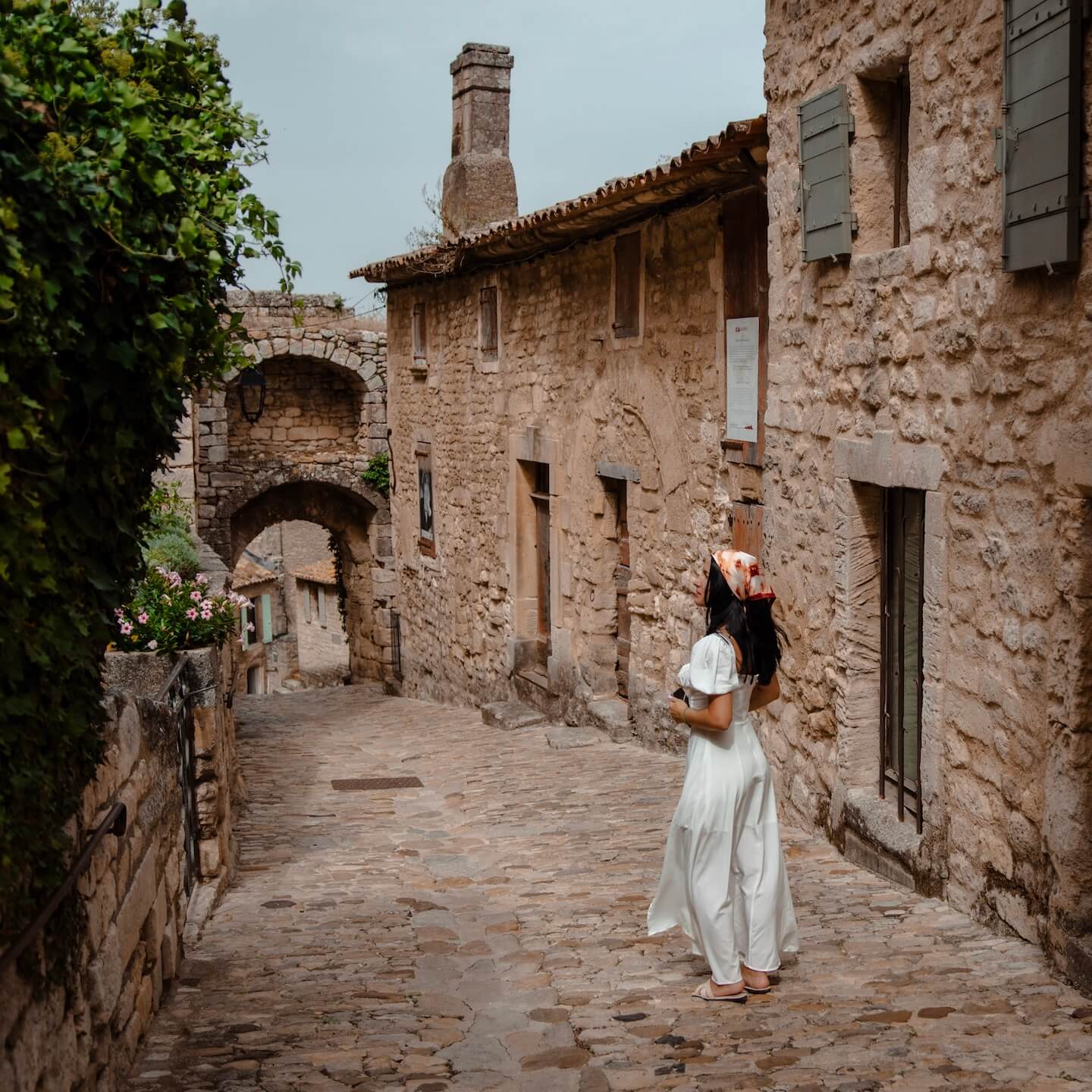
- Stroll the cobblestone streets: Lacoste is a tiny village, and its charm lies in its simplicity. Wander through the medieval streets, discover hidden courtyards, and admire the stone houses. The village has a strong connection to the arts, thanks to the Savannah College of Art and Design (SCAD), which has a campus here.
- Find your inner peace: Lacoste is the perfect antidote to the busier tourist hubs. Find a quiet bench and simply get lost in your own thoughts with an incredible view. It’s a tranquil and inspiring environment that feels worlds away from the daily grind.
Lacoste Travel Tips:
- Getting there: A car is essential to visit Lacoste and the other villages in the Luberon. Parking is available at the entrance of the village, and it’s free.
- What to expect: Lacoste is very small, and many of the shops and restaurants close during the off-season. It’s a place for a quiet afternoon stroll, not a full day of sightseeing.
- Don’t miss the details: Look for the subtle artistic touches throughout the village, from modern sculptures to the beautifully restored old buildings.
Gordes: A Timeless Masterpiece
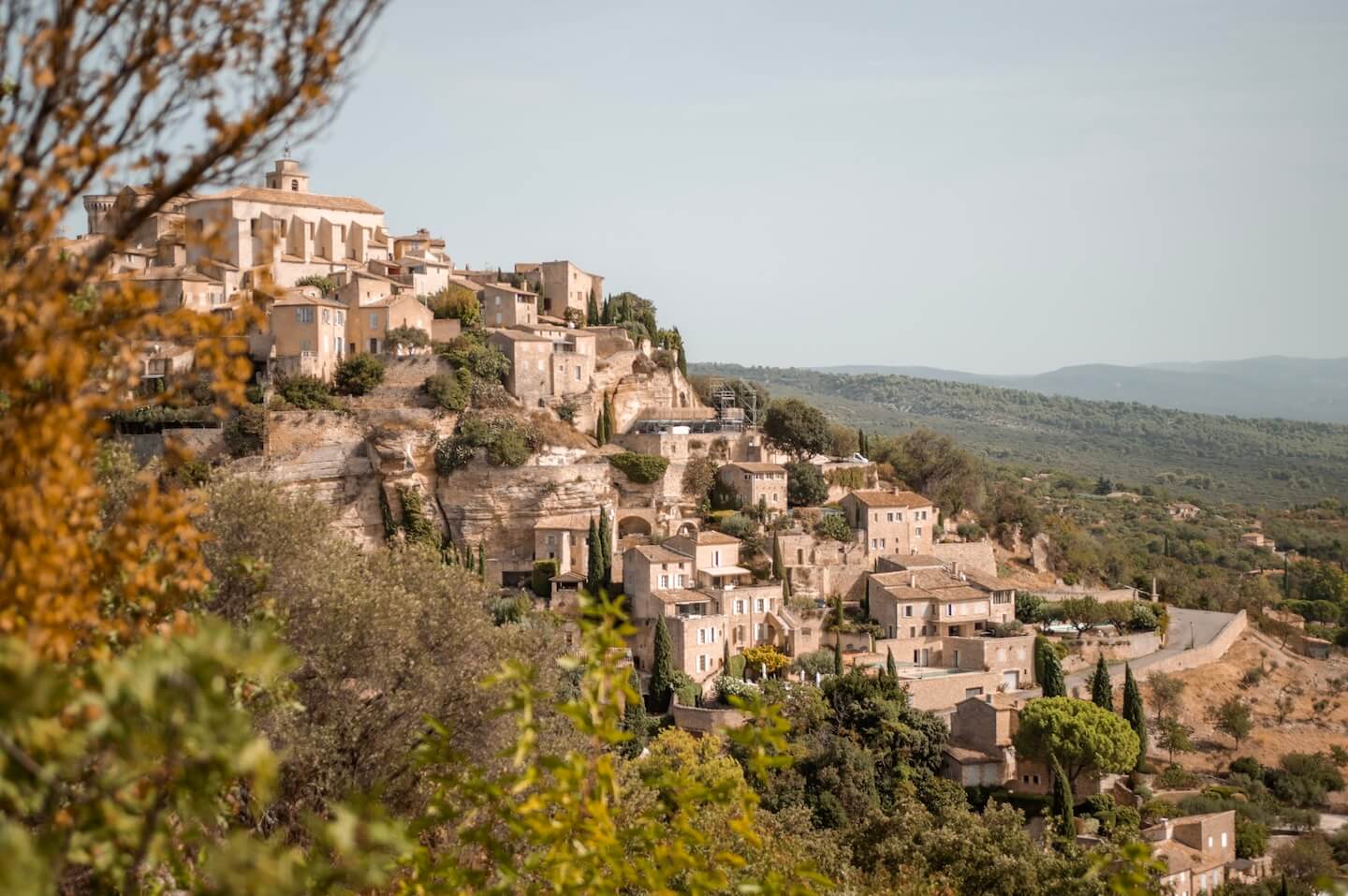
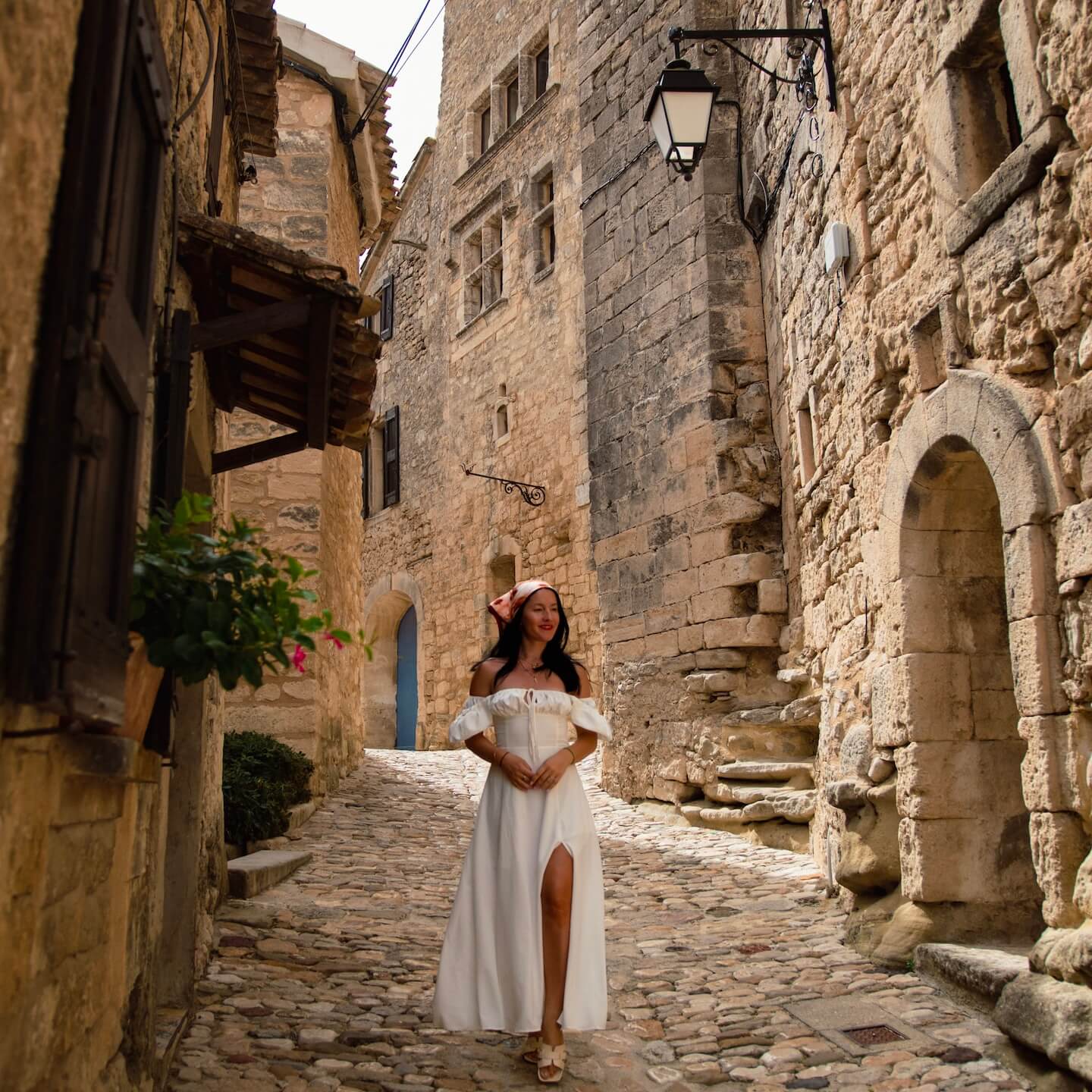
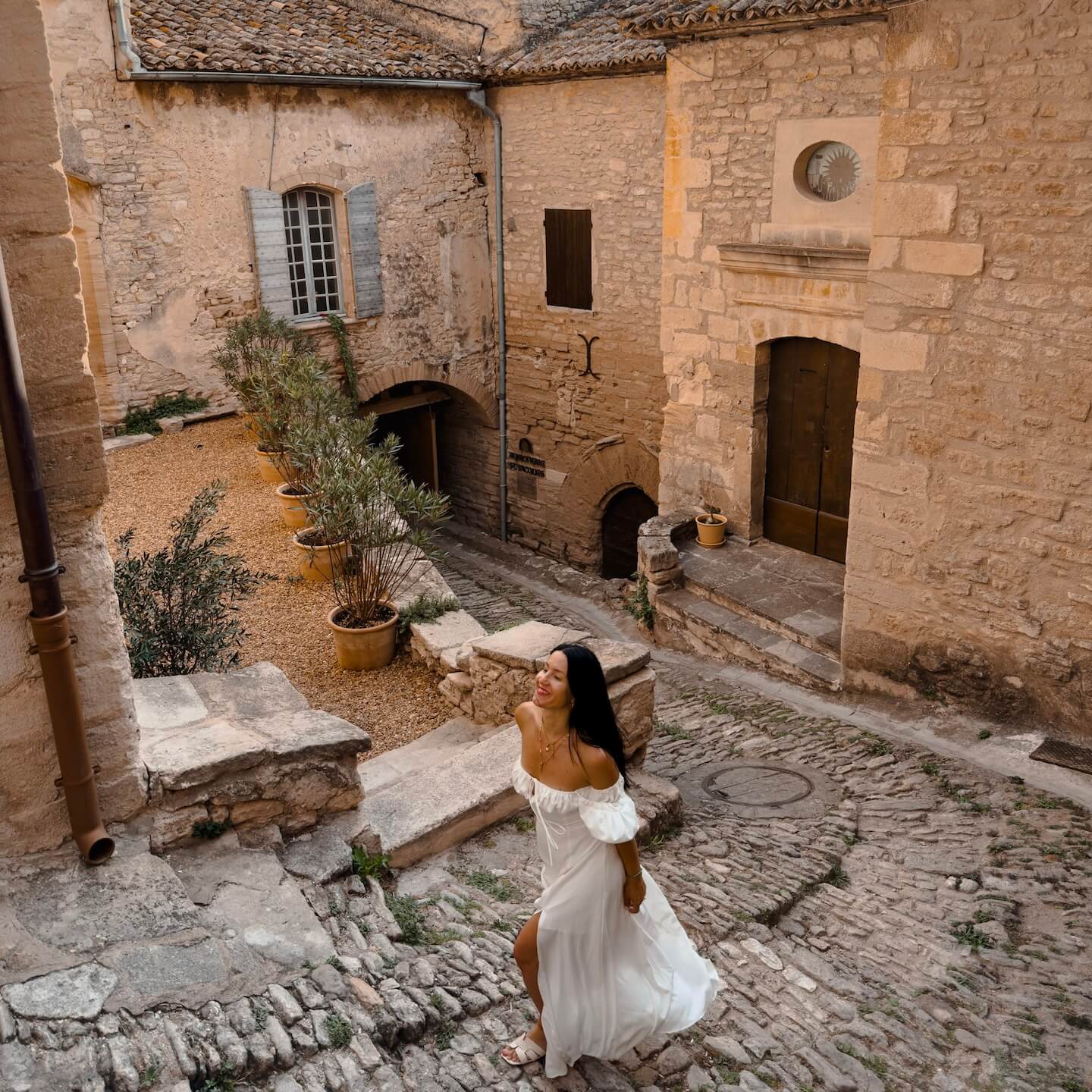
Often called the “jewel of Provence,” Gordes is a stunning hilltop village that is so picturesque it almost seems unreal. Its pale stone buildings cascade down a hillside, creating a breathtaking tableau against the backdrop of the Luberon mountains. It’s officially recognized as one of “the most beautiful villages in France” (Les Plus Beaux Villages de France), and it’s not hard to see why.
What to Do in Gordes:
- Capture the iconic viewpoint: Before you even enter the village, stop at the famous Gordes viewpoint on the D15 road. This is where you’ll get the postcard-perfect shot of the village clinging to the hill. We found it’s especially beautiful at sunset when the stone buildings are bathed in a golden light.
- Explore the village’s heart: Gordes’s main square is home to the imposing Château de Gordes, a medieval castle that now hosts art exhibitions. The streets around the castle are filled with high-end boutiques, art galleries, and lovely cafés.
- Discover the hidden history: Venture into the Caves of Palais Saint-Firmin, an underground network of chambers that date back to the Middle Ages. These caves were once used for olive oil production and storage, and a tour offers a fascinating glimpse into the village’s history.
- Visit the Senanque Abbey: Just a short drive from Gordes, this 12th-century Cistercian abbey is a must-see, especially in late June and early July when the surrounding lavender fields are in full bloom. The sight of the stone abbey surrounded by vibrant purple flowers is one of the most iconic images of Provence.
Gordes Travel Tips:
- Navigating the village: Gordes is a popular tourist destination, and the roads are steep and winding. Parking can be difficult, especially on Tuesdays, which is market day. The best way to experience Gordes is on foot, so wear comfortable shoes.
- Timing is everything: To avoid the worst of the crowds, visit Gordes early in the morning or later in the afternoon. The best months to visit are May, June, and September when the weather is lovely but the summer crowds have not yet peaked.
- Where to eat: Gordes has a range of dining options, from casual cafés to Michelin-starred restaurants. For a special treat, we’d recommend a meal at one of the luxury hotels, like La Bastide de Gordes, which offers incredible views.
Grasse: The Perfume Capital of the World
Finally, we head to Grasse, a town with a very distinct identity. Known as the world’s capital of perfume, Grasse’s history and economy are intricately tied to the art of fragrance. The air here is often scented with the delicate aromas of jasmine, rose, and orange blossom, which have been cultivated in the surrounding fields for centuries.
What to Do in Grasse:
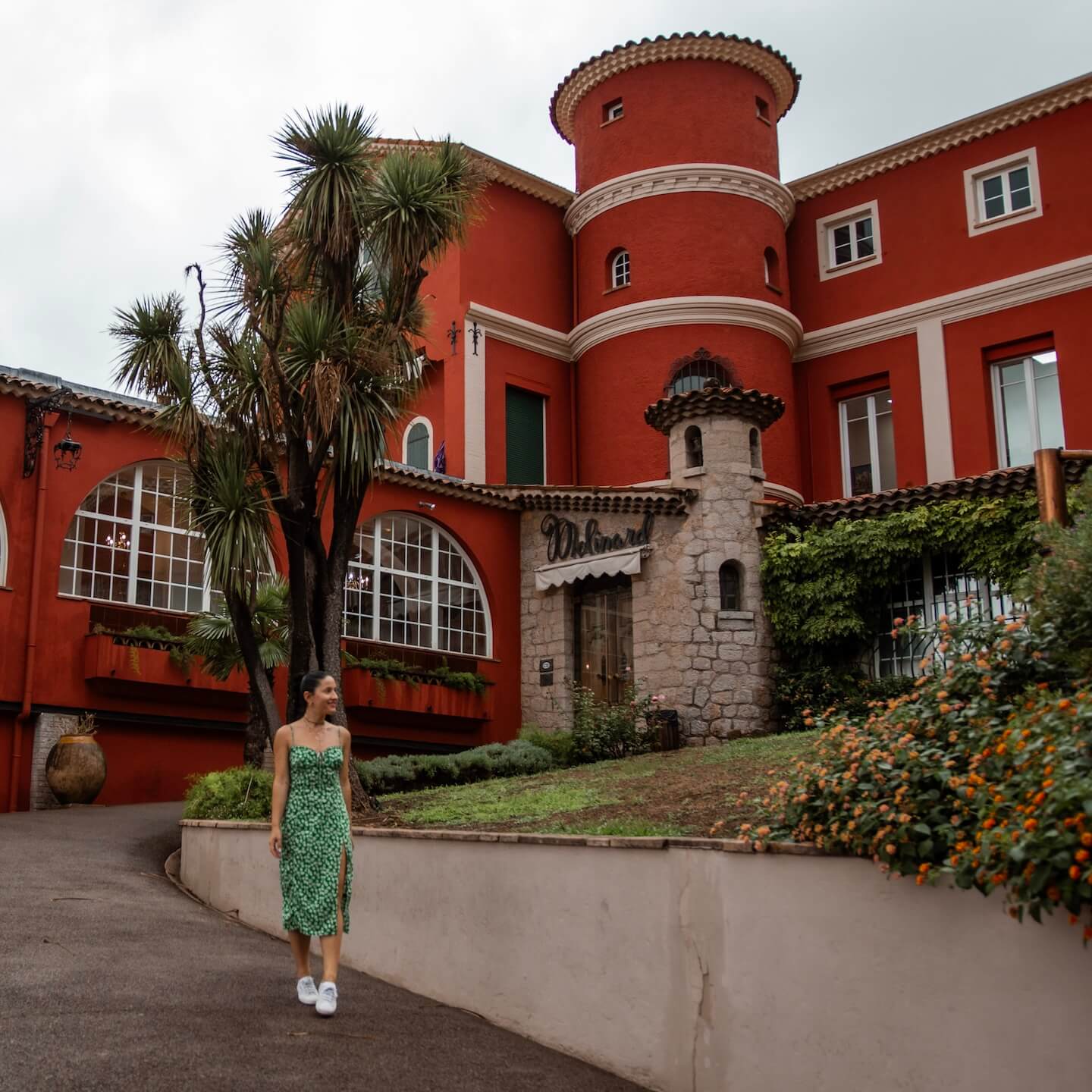
- Immerse yourself in scent at a perfumery: This is what Grasse is all about. The three major historic perfumeries—Fragonard, Molinard, and Galimard—all offer free guided tours of their factories, where you can learn about the process of transforming raw flowers into exquisite fragrances. You’ll see the copper stills and hear about the fascinating history of this centuries-old industry.
- Create your own fragrance: For a truly unique experience, book a perfume-making workshop at one of the perfumeries. A “Nose” will guide you through the process of selecting different essences and blending them to create your very own, custom-made perfume. It’s a creative and memorable way to connect with the city’s heritage.
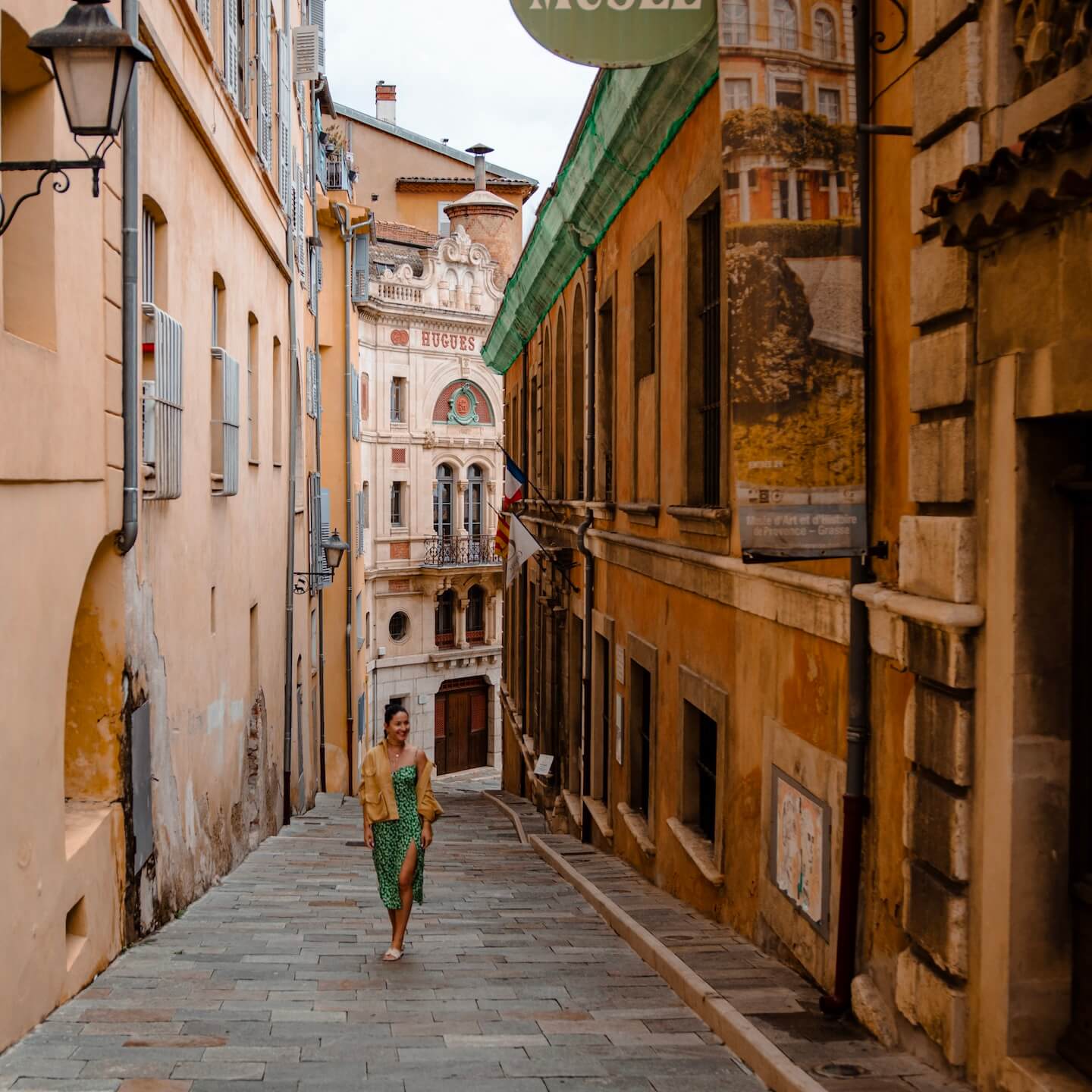
- Explore the Musée International de la Parfumerie (MIP): The International Perfume Museum is a must-visit for anyone interested in the history of fragrance. The museum’s extensive collection spans 4,000 years, from ancient Egyptian perfume bottles to modern-day iconic scents. It’s an interactive and educational experience that engages all your senses.
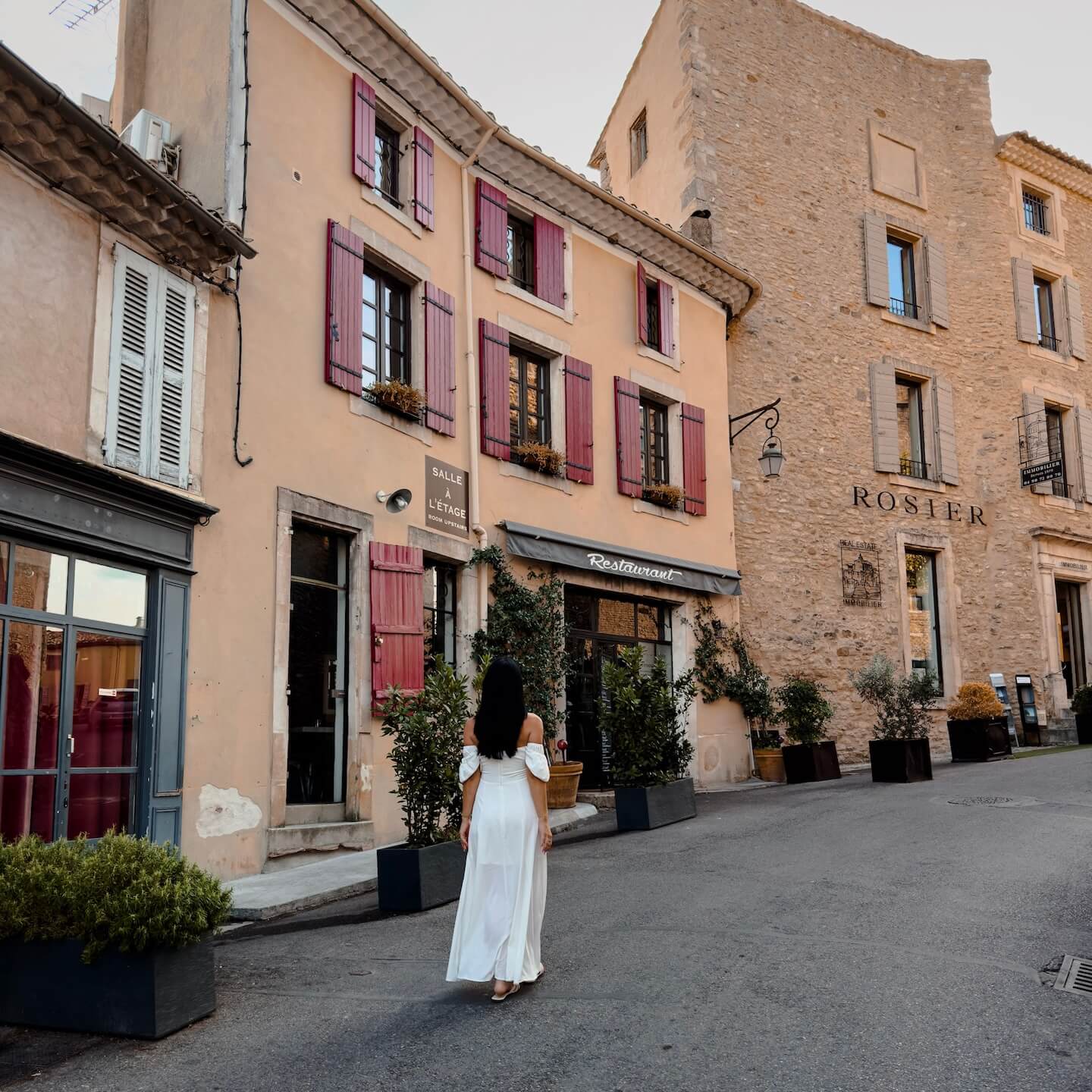
- Wander the old town: Grasse’s old town is a charming maze of narrow, medieval streets, colorful façades, and picturesque squares. Take some time to explore on foot, and don’t miss the stunning panoramic views from the town’s various viewpoints.
Grasse Travel Tips:
- Getting there: Grasse is accessible by train from Nice and Cannes. However, having a car gives you the freedom to explore the beautiful surrounding countryside and flower fields.
- Best time to visit: The flower fields are in bloom at different times of the year. May is ideal for roses and orange blossoms, while jasmine blooms from July to September. The weather is pleasant in the spring and fall, and the crowds are more manageable.
- Beyond perfume: Grasse is also a “City of Art and History.” Don’t just focus on the perfume. Take a moment to appreciate the architecture, the local markets, and the general atmosphere of this charming town.
A Final Thought on the Best Villages in the South of France
The South of France is truly a bucket-list destination. These five villages in France each offer a different flavor of this rich and beautiful region. Whether you’re seeking inspiration, a tranquil escape, or simply a chance to slow down and savor the moment, you’ll find it here.
Ready to kick off your trip planning? Check out these handy travel resources: