
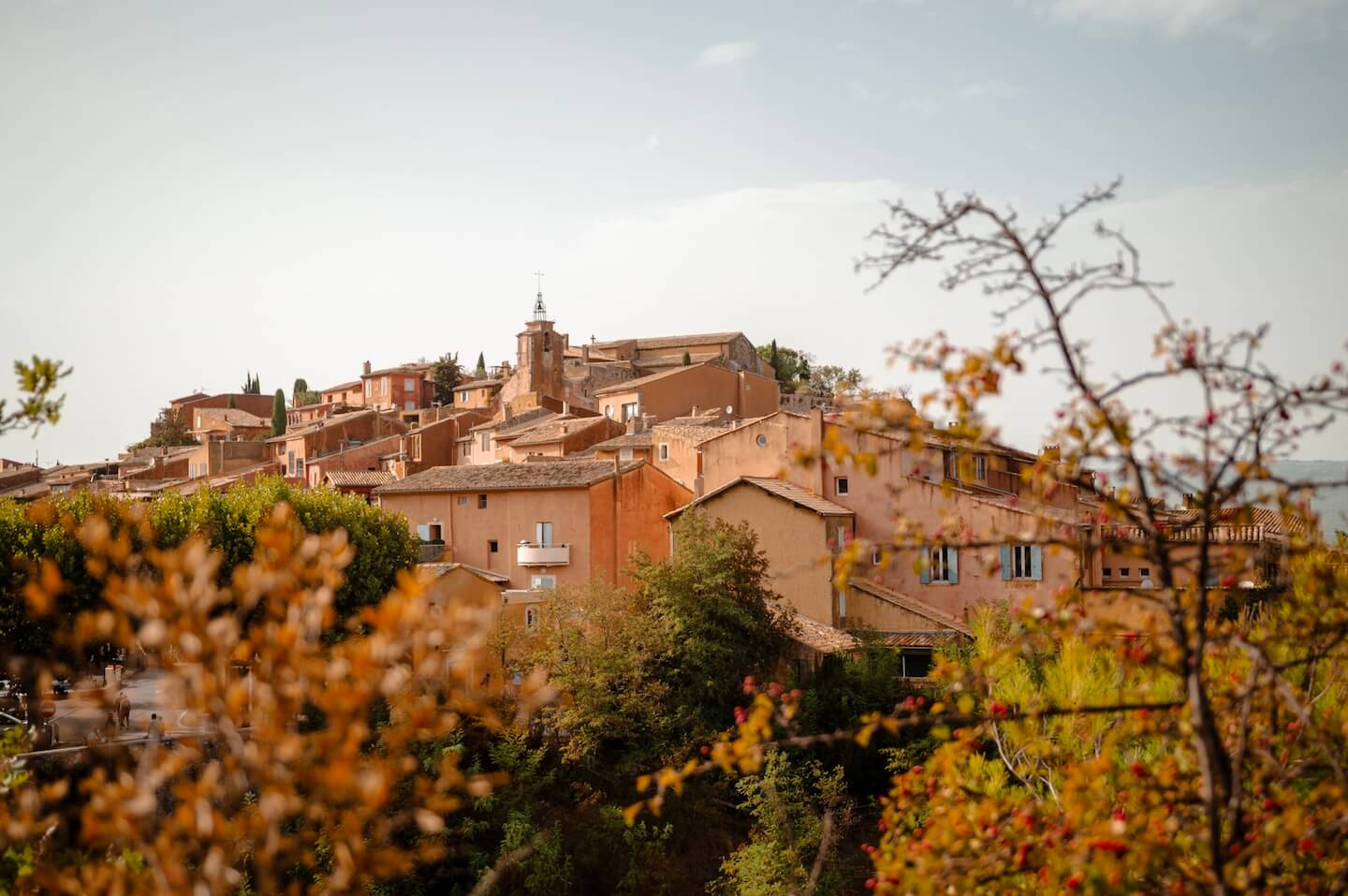
While the famous lavender fields of Provence draw visitors from around the world, there’s a different kind of natural wonder waiting to be discovered. Located in the heart of the Luberon Regional Nature Park, Roussillon is a must-see for anyone who wants to experience the true soul of this stunning region. Its unique beauty and fascinating history will steal your heart!
In this guide, we’ll dive into what makes Roussillon, France, so special, from its ancient ochre quarries to its charming streets and delicious local cuisine. We’ll also share useful tips and answer some frequently asked questions.
The Fiery Heart of Provence: The Story of Ochre
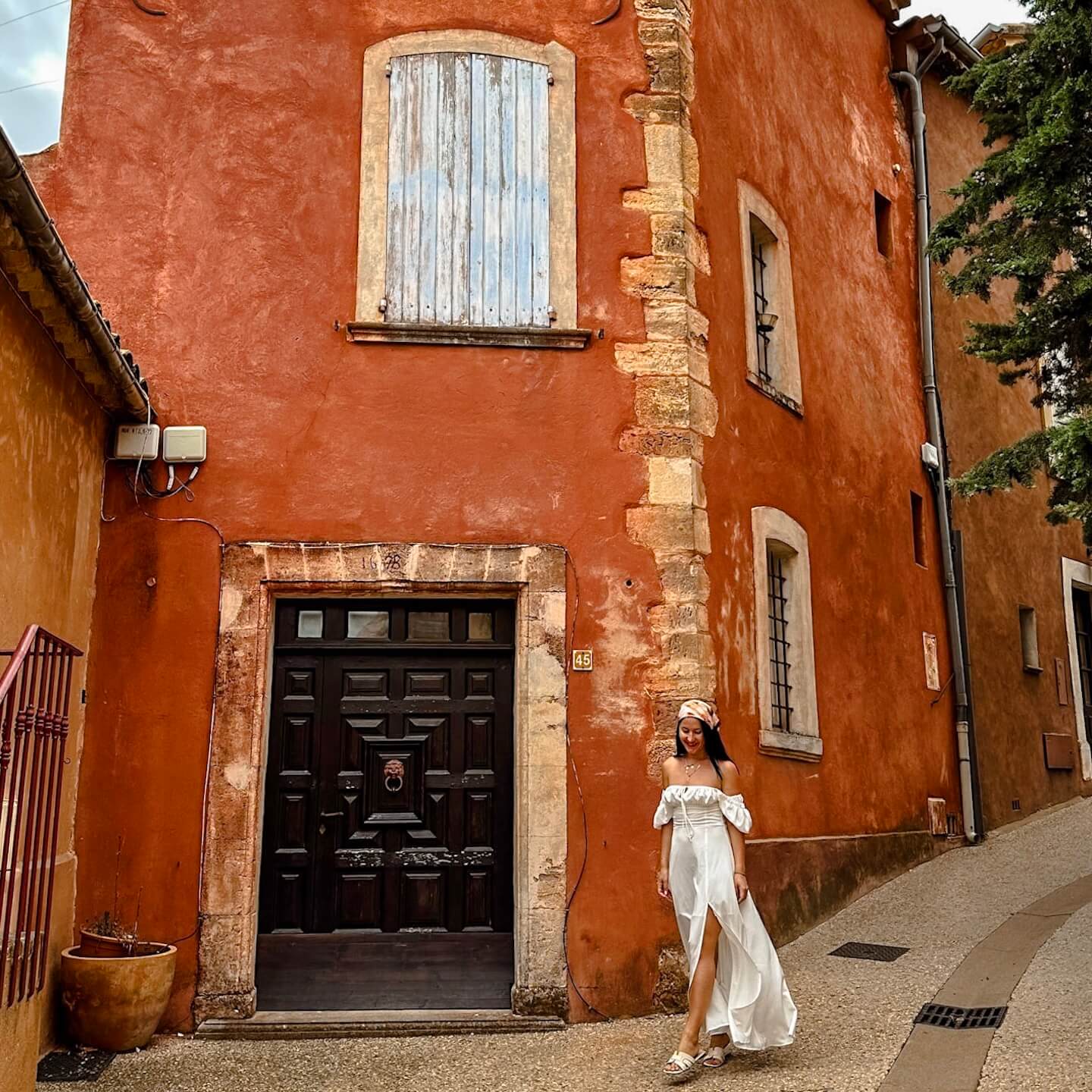
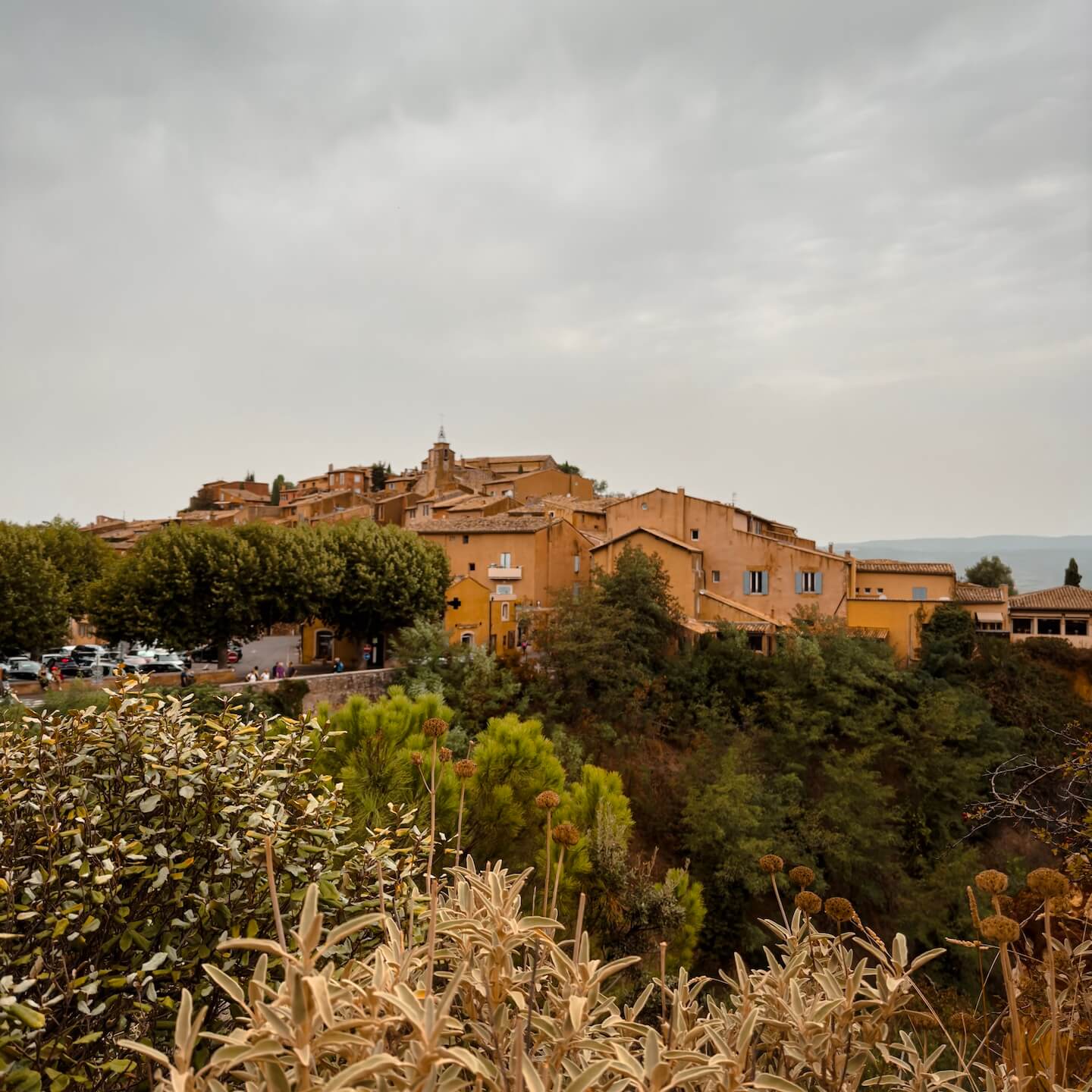
The first thing you notice about Roussillon, France, is its color. The vibrant hues aren’t just a design choice; they are the very foundation of the village. The story of Roussillon is the story of ochre, a natural pigment that has shaped its landscape and its history for centuries.
For centuries, ochre was just part of Roussillon’s landscape, until the late 18th century, when a local man named Jean-Étienne Astier figured out how to turn the ochre sands into a fine, bright powder. Suddenly, the “Provençal gold” beneath the village became highly sought after across Europe for paints, textiles, and construction.
At its height, Roussillon was producing thousands of tons of ochre, shipped from Marseille to all corners of the world. Though synthetic pigments eventually replaced it in the mid-20th century, the village still glows with its colorful legacy.
The Ochre Trail: A Walk Through a Painted Canyon
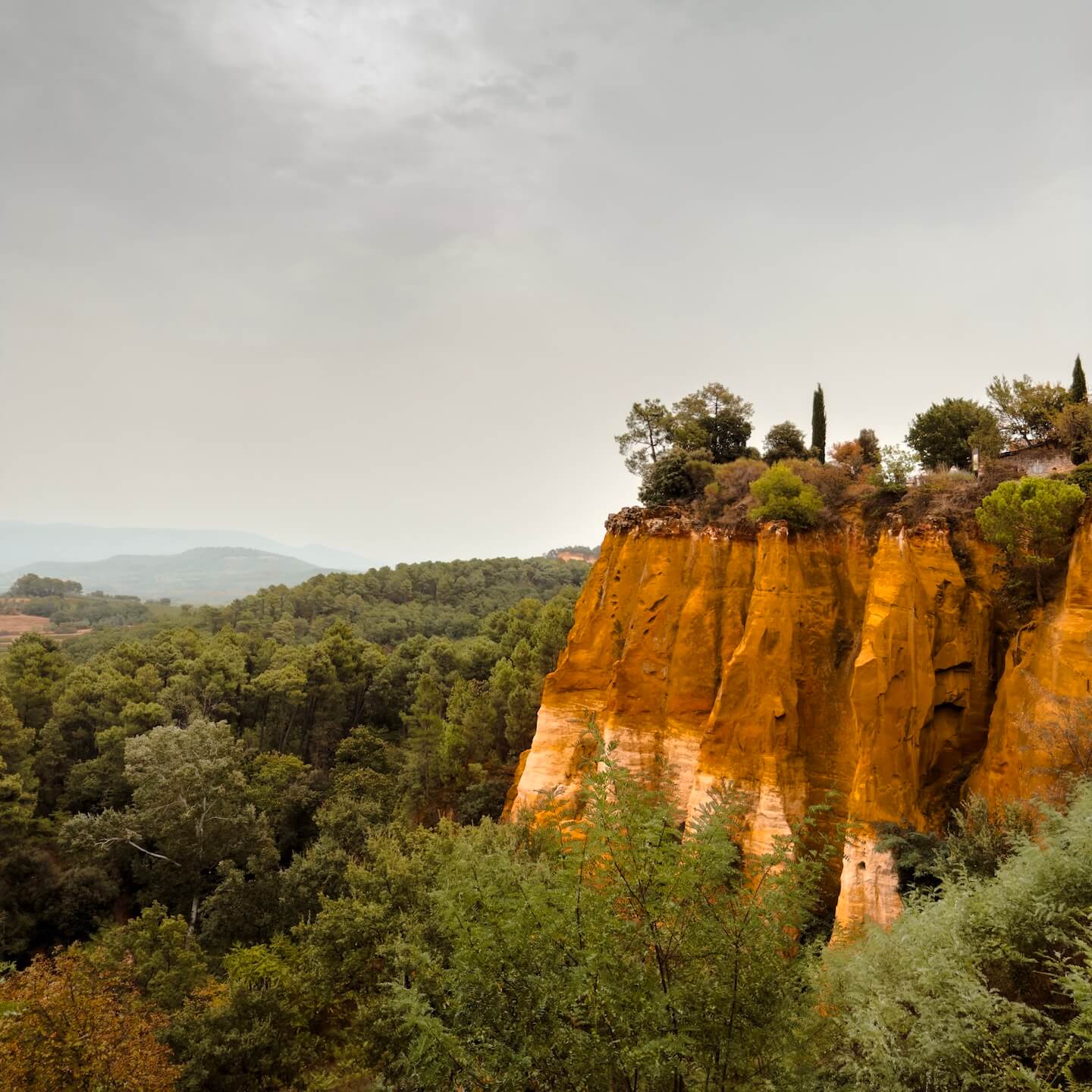
If there’s one thing you absolutely must do in Roussillon, France, it’s walk the Sentier des Ocres, or the Ochre Trail. This is the heart of the village’s appeal and an experience unlike any other. The trail winds through a former ochre quarry, where erosion and past mining have created a dramatic landscape of cliffs, canyons, and sandy paths in an incredible range of colors.
As you walk, you’ll feel like you’ve been transported to the American West, with its deep red and orange canyons, but with a distinctly Provençal twist. The vibrant colors of the ochre cliffs are beautifully contrasted by the deep green of the pine trees and the bright blue of the sky. It’s a photographer’s dream, and the colors seem to shift and glow with the changing light of the day. For the best photos, try to go in the early morning or late afternoon when the light is softer.
The trail is laid out for visitors with wooden walkways and stairs, making it accessible for most people, though it’s not suitable for strollers or wheelchairs due to the sandy and uneven terrain.
There are two main loops to choose from: a shorter one that takes about 30 minutes and a longer one that can be completed in about 50 minutes. Along the way, information panels explain the geology and history of the ochre deposits, adding a layer of understanding to the stunning scenery.
Tips for visiting the Ochre Trail:
- Wear old shoes and dark clothes: The ochre dust gets on everything, and it can be difficult to wash out. Embrace the adventure!
- Bring water: Especially in the summer, the trail can get very hot and exposed.
- Go early or late: To avoid the worst of the heat and the crowds, visit early in the morning or late in the afternoon. The light is also at its best for photos during these times.
- Know the details: The trail is open from February to December, with varying hours depending on the season. The entrance fee is around €3.50 for adults, and children under 10 are usually free.
Exploring the Village of Roussillon
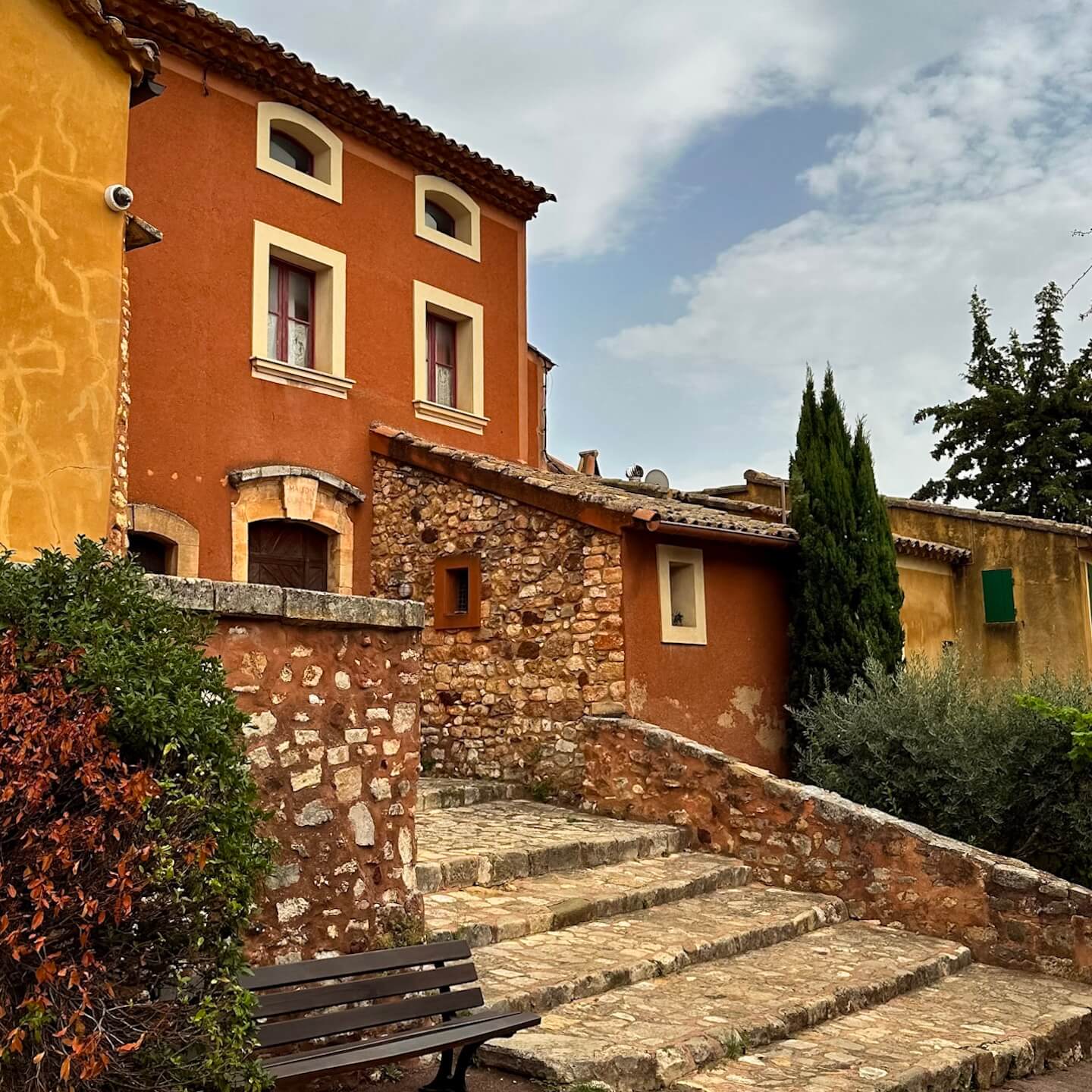
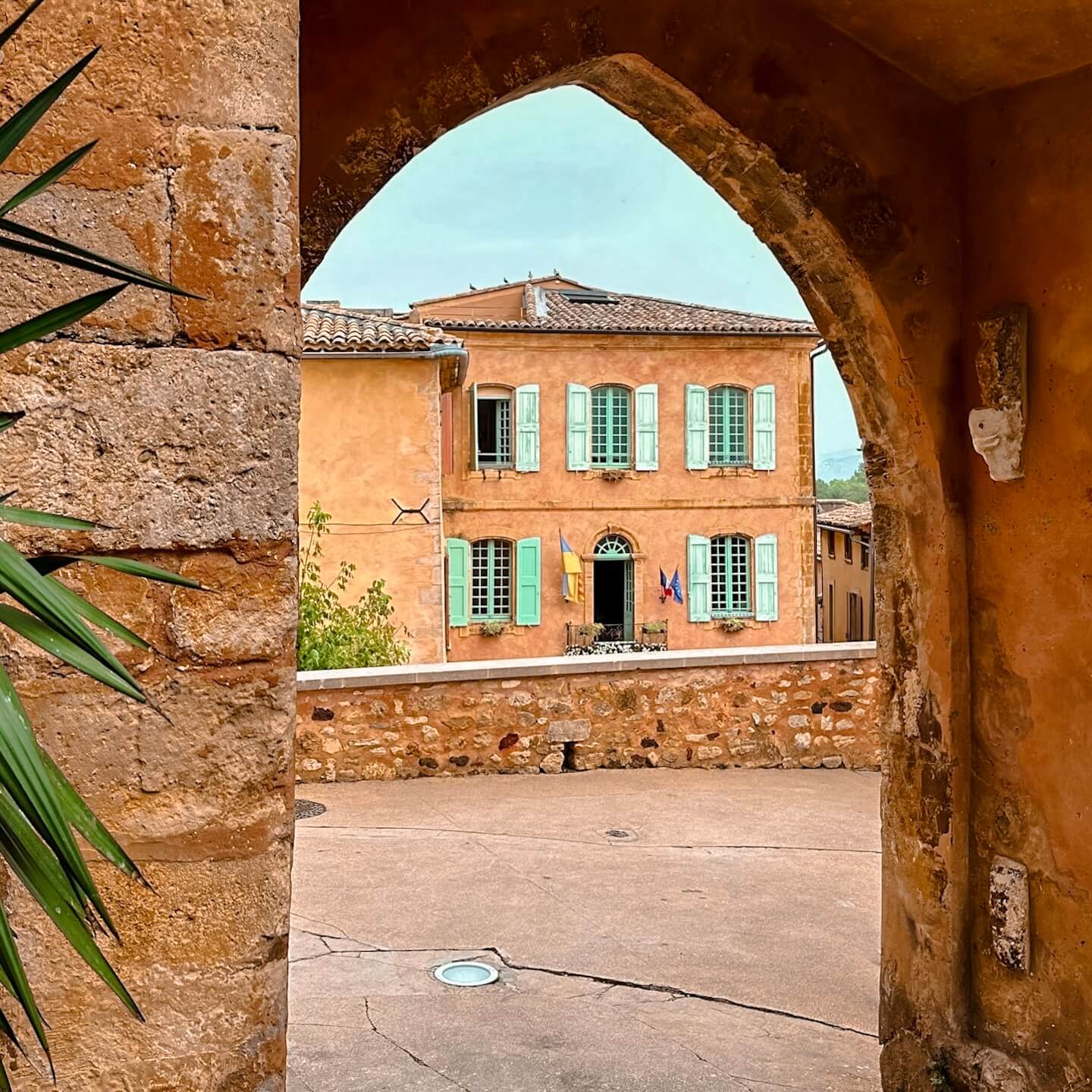
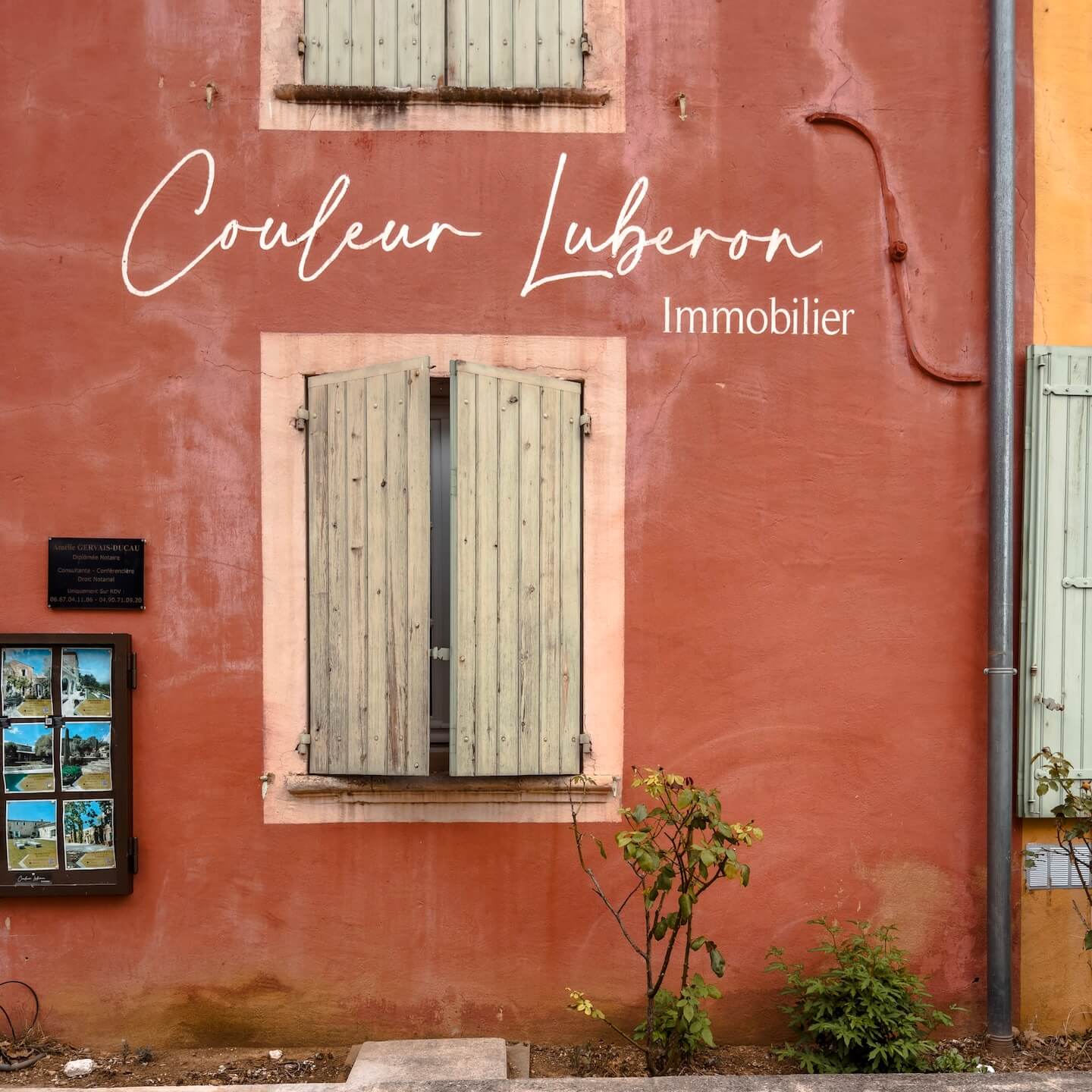
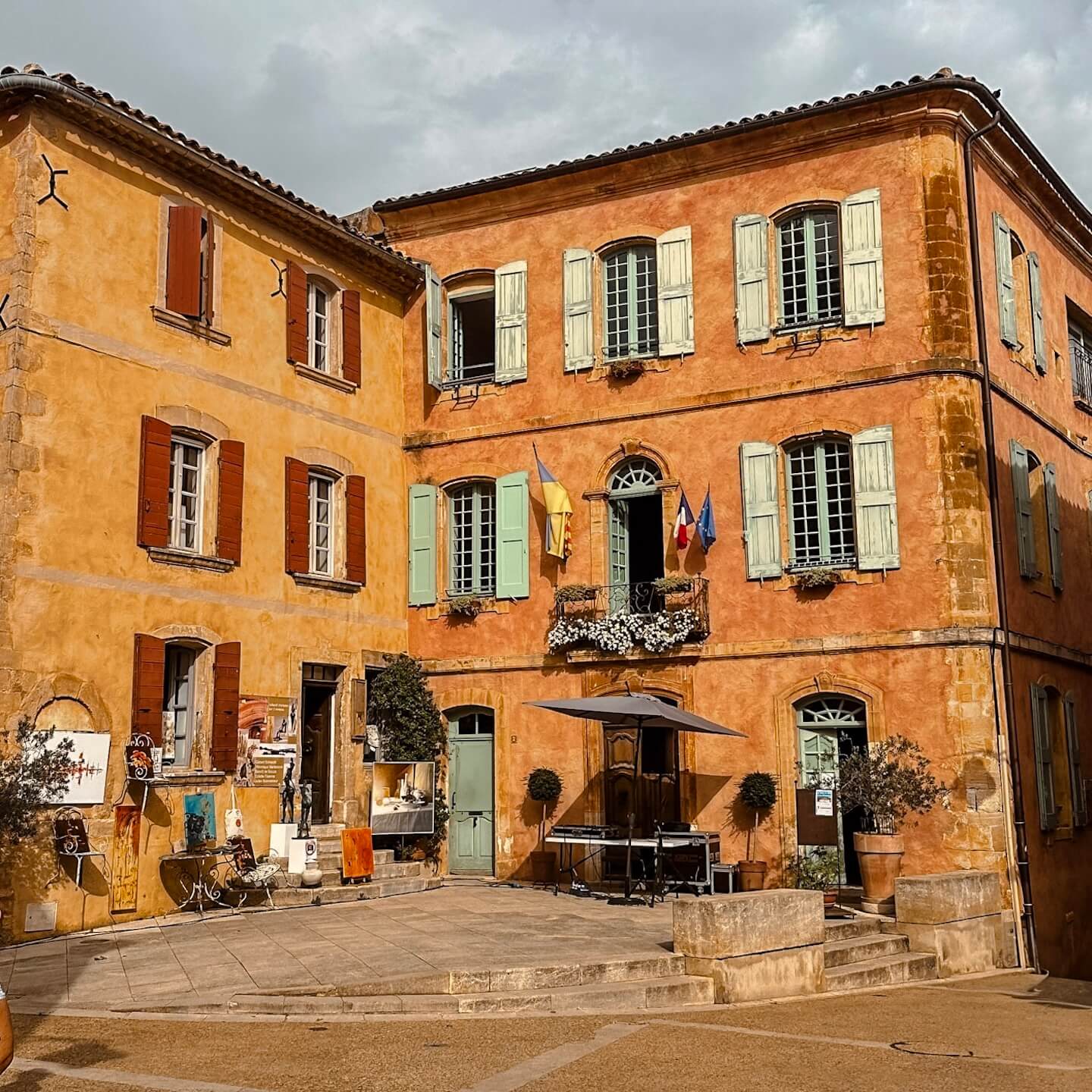
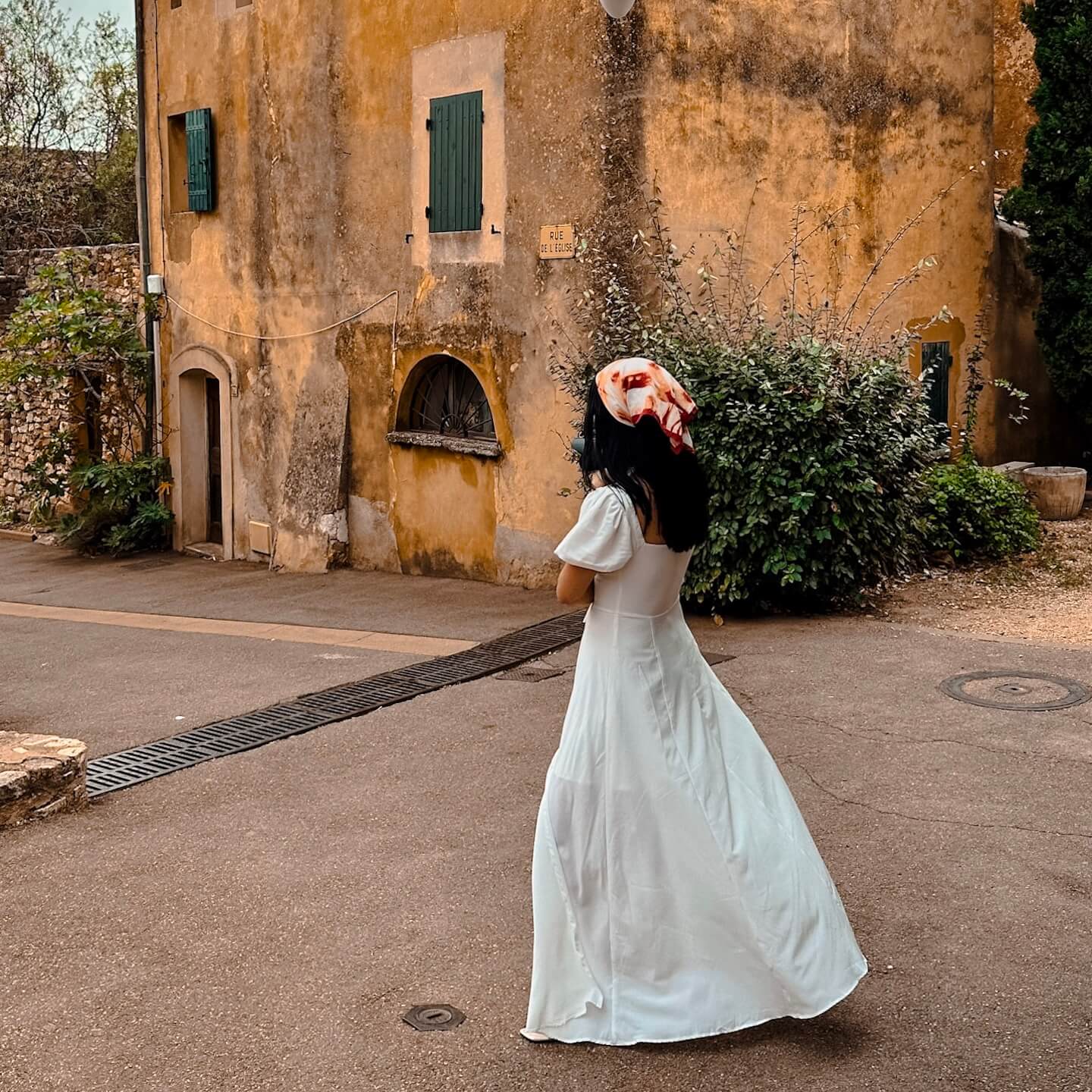
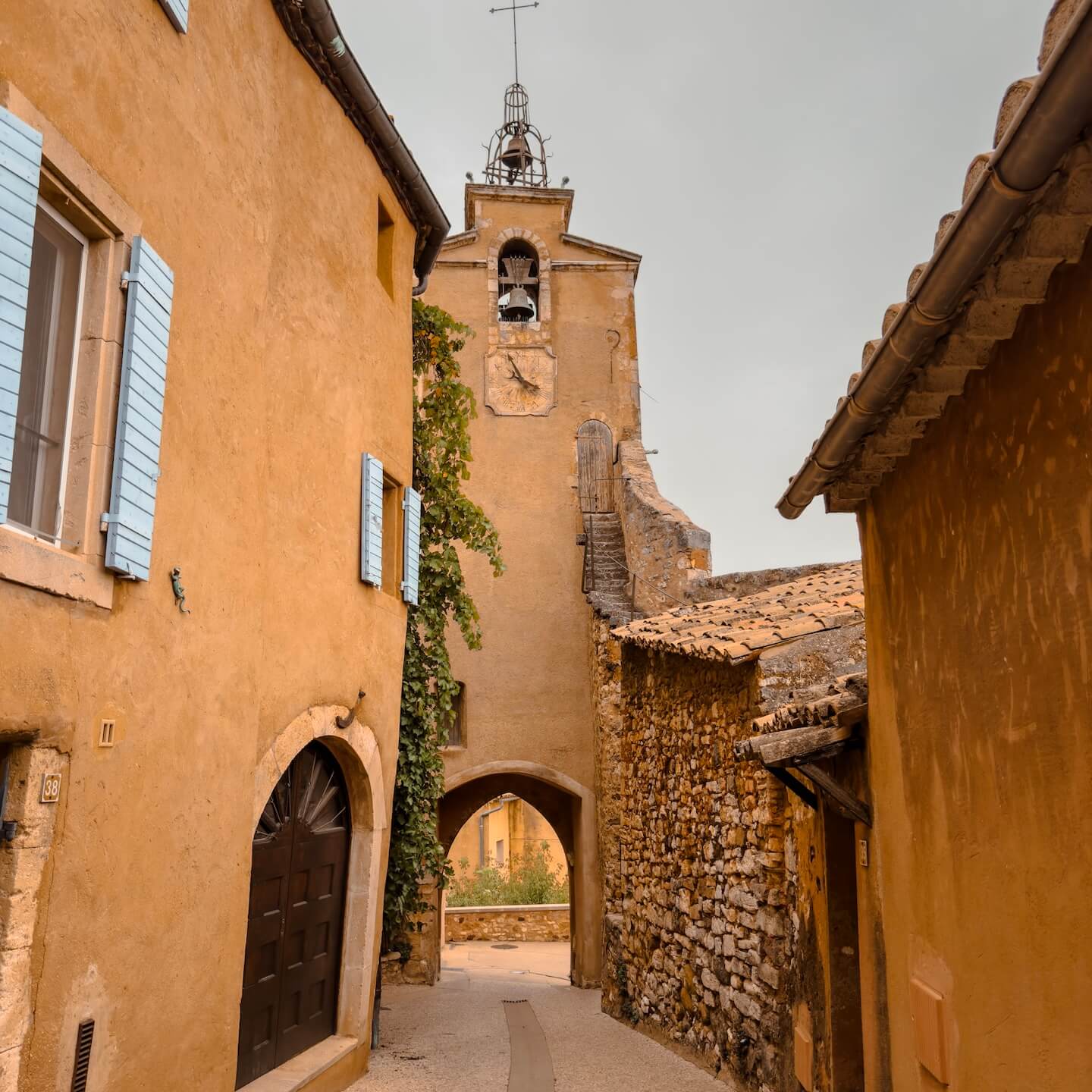
Beyond the Ochre Trail, the village of Roussillon, France, itself is a delight to explore. As you wander the cobblestone streets, you’ll find charming squares, hidden alleys, and incredible views around every corner. The architecture is a direct reflection of the ochre-rich landscape, with houses painted in an array of warm, earthy tones.
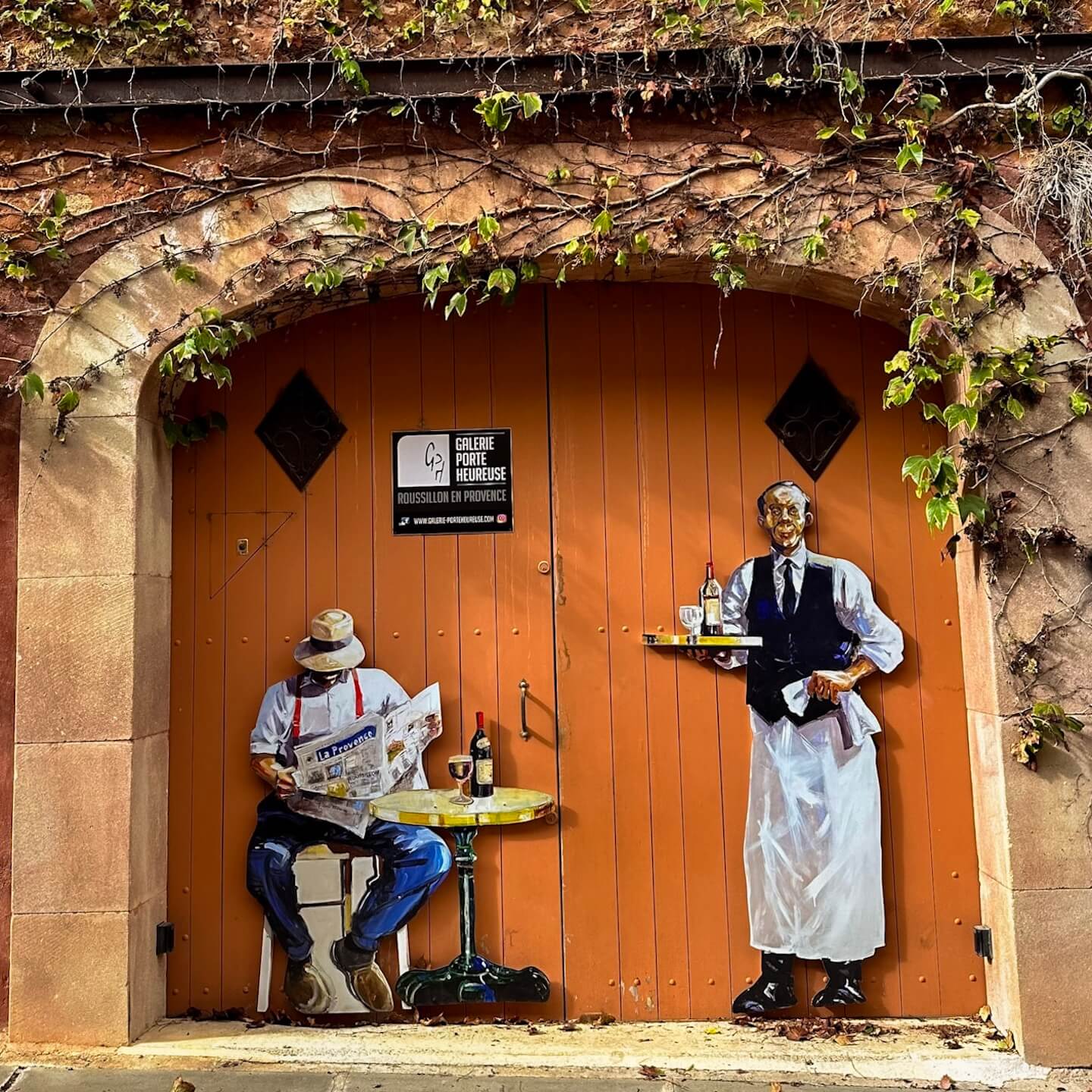
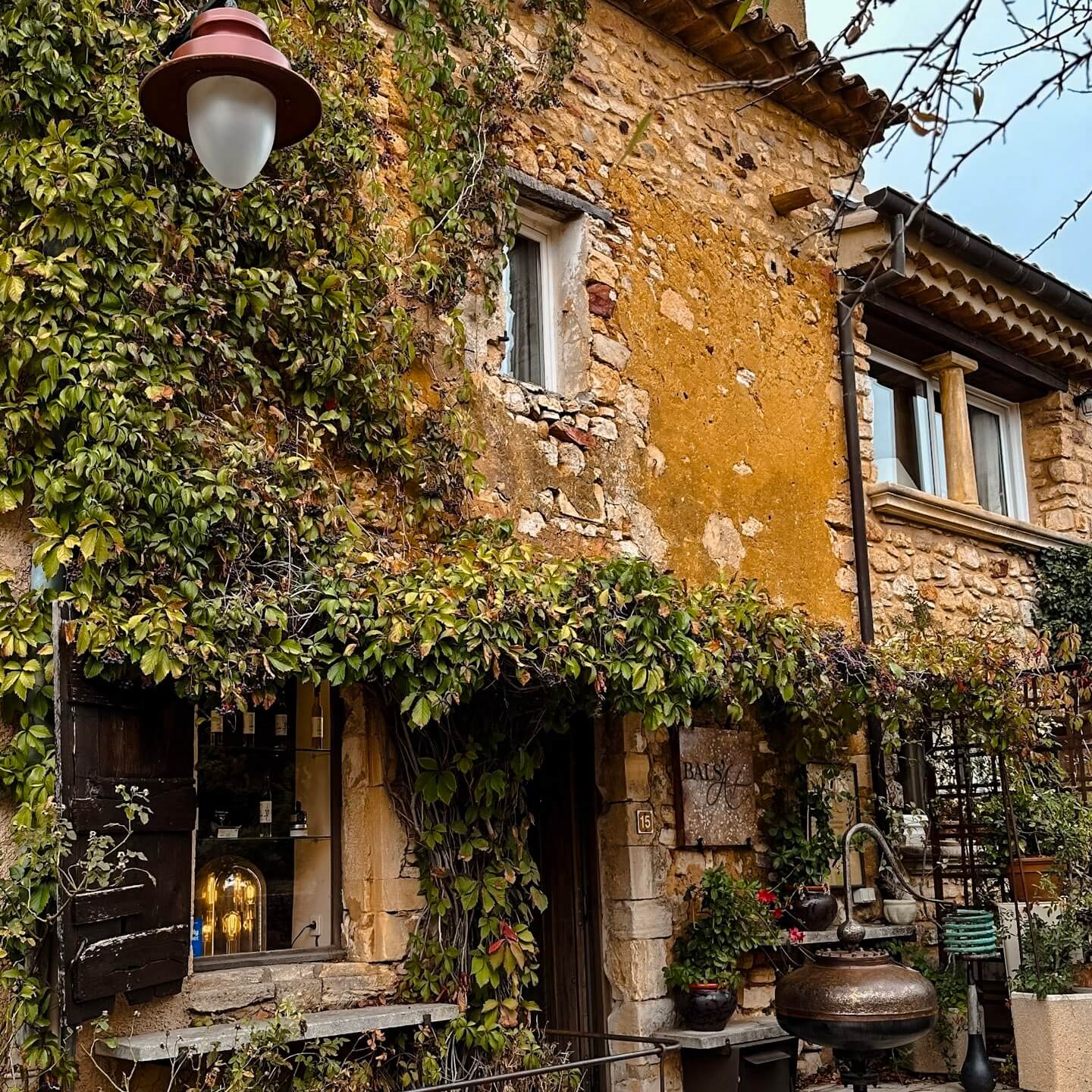
One of the best things to do is simply get lost. Let the narrow, winding streets guide you. Stop to admire a particularly vibrant door or a window with blooming flowers. You’ll find a number of small art galleries and artisan shops where local creators sell paintings, ceramics, and other crafts inspired by the village’s colors. This is a perfect place to find a unique souvenir!
What to Eat in Roussillon: A Taste of Provence
In Roussillon, you’ll find a range of restaurants, from casual bistros to more formal dining experiences, many of which have charming terraces with stunning views.
When you sit down for a meal, look for classic Provençal and Mediterranean dishes. Some things to try include:
- Pissaladière: A savory tart from the Nice region, topped with caramelized onions, anchovies, and black olives.
- Socca: A thin, crispy pancake made from chickpea flour, often served as a street food or appetizer.
- Ratatouille: A classic vegetable stew of eggplant, zucchini, bell peppers, onions, and tomatoes, all cooked in olive oil and herbs.
- Goat Cheese: The Luberon region is famous for its delicious chèvres (goat cheeses). Try the local variety, banon, often wrapped in chestnut leaves.
For dessert, don’t miss the chance to try some lavender ice cream; it’s a signature flavor in Provence. And, of course, a glass of local rosé wine is the perfect accompaniment to any meal on a sunny afternoon. If you’re looking for a more low-key option, stop by a local boulangerie (bakery) for a pastry.
How to Get to Roussillon, France
Getting to Roussillon, France, ideally requires a car. While you can visit on an organized tour, having your own car offers the most flexibility to explore the surrounding villages and countryside. The drive from Avignon is about an hour, and the roads wind through beautiful landscapes. Just be prepared for a few winding roads as you approach the village. There’s a large, paid parking lot at the entrance of the village, which is the most convenient place to leave your car. Roussillon is small—though not quite as tiny as its neighbor Lacoste—and easy to explore on foot
If you’re not driving, taking a train to Avignon and then renting a car is a popular option. You can also explore local bus routes, though they may not be as frequent.
The Best Time to Visit Roussillon
For the ideal visit to Roussillon, go in spring, between April and June, or in autumn, between September and October, when the weather is perfect and the crowds are lighter. Summer, in July and August, is hot and busy, while winter, from November to March, offers a peaceful, almost deserted village experience.
A Few More Tips
To make your trip to Roussillon, France, truly unforgettable, keep these tips in mind:
- Venture beyond the village: While Roussillon is the star, the Luberon is full of other stunning hilltop villages. A day trip to nearby Gordes, with its famous abbey and stone buildings, is a must. Another nearby gem is the village of Bonnieux, which offers incredible views of the valley.
- Slow down and savor the moment: Roussillon is not a place to rush. Take your time, sit at a cafe, and just watch the world go by. The magic of this place is in its pace.
- Check out the Ochre Conservatory: Located in a former ochre factory, this ecomuseum, known as Ôkhra, provides a deeper dive into the history, geology, and artistic uses of ochre.
Final Thoughts on Roussillon, France
Roussillon, with its fiery colors, rich history, and stunning landscapes, is a destination that stands out even in a region as beautiful as Provence. It left a lasting impression on us, and we can’t recommend it enough!
Ready to kick off your trip planning? Check out these handy travel resources: